Ceramics is the name for the whole family of tableware made from fired mineral clay: porcelain and stoneware are types of ceramics, and so is earthenware. They differ in their ingredients, firing temperature and how much water the body absorbs. Porcelain is the densest and thinnest of them, which is why it copes best with the dishwasher and everyday use. All the plates, mugs and ceramic dishes in the Wilmax range are porcelain, including those that look like stone. Below we explain the differences and help you choose.
Ceramics: a broader term than you might think
In shops “ceramic” often simply means thick, colourful mugs and bowls. In fact the term covers all products made from clay and other mineral materials that are fired in a kiln after shaping. There are three main groups of tableware:
- earthenware (porous ceramics) - fired at a lower temperature, with a body that absorbs water. The glaze seals it, but when it chips it exposes the porous material;
- stoneware - fired at a higher temperature, dense, usually thicker and heavier, often in earthy, natural colours;
- porcelain - made from white kaolin clay and fired at the highest temperature of the three. It has the fewest pores, it is hard, and a thin edge can be slightly translucent against the light.
So porcelain is a ceramic, which is why some product descriptions use both words together. It does not work the other way round: not every ceramic is porcelain.
Porcelain, stoneware and earthenware in everyday use
At the table the differences show in three things: washing, weight and resistance to knocks.
Washing and heating
The dense body of porcelain does not absorb water or smells, so it copes well with the dishwasher. Almost all Wilmax porcelain - white, coloured and matt - shows “Dishwasher: Yes” and “Microwave: Yes” on the product page. The exception is gold-rimmed porcelain, which is washed by hand and not heated in the microwave. With earthenware and stoneware always check the manufacturer’s instructions, as they differ from one pottery to another.
Weight and thickness
Stoneware is usually heavier and thicker: it feels nice and warm in the hand, but a stack of plates in the cupboard weighs more. Porcelain of the same diameter is often thinner and lighter, and hard at the same time. That matters if your plates travel between the dishwasher and the cupboard every day.
Knocks and chips
Any ceramic can chip if you knock its edge against a tap or another dish. In porcelain a chip does not expose an absorbent material; in earthenware it does, and from that spot the dish starts to soak up water.
How to recognise porcelain
- The base. The unglazed foot ring of porcelain is white and smooth. Stoneware is usually grey, beige or brown there, earthenware often reddish or cream and matt.
- Light. The thin edge of a porcelain plate or cup is slightly translucent when you hold it up to a lamp.
- Sound. Tapped with a fingernail, porcelain rings clearly and for a long time; stoneware and earthenware sound dull.
- The product page. In an online shop the easiest way: the “Additional information” tab has a “Material” row. For Wilmax tableware it says “Porcelain”.
Glaze: what to look for when buying and using
The glaze is the glassy layer that covers a dish and decides how easy it is to clean. Whatever the type of ceramic, check three things:
- A smooth inside. The inside of a plate or mug should be evenly glazed, with no rough patches where coffee and tea stains build up.
- A network of fine cracks. On earthenware the glaze can craze like a spider’s web over time; water gets through these cracks into the porous body and the dish darkens. Porcelain has a dense body, so this problem practically does not occur.
- The edge. A chip on the rim of a mug is not just a matter of looks: a sharp edge can cut, and on porous ceramics the exposed spot starts to absorb water. It is better to replace such a dish.
A glossy glaze reflects light and brings out the white, while a matt one gives a calm, “handmade” look. In the Wilmax range you will find both, on the same porcelain.
Porcelain that looks like stone
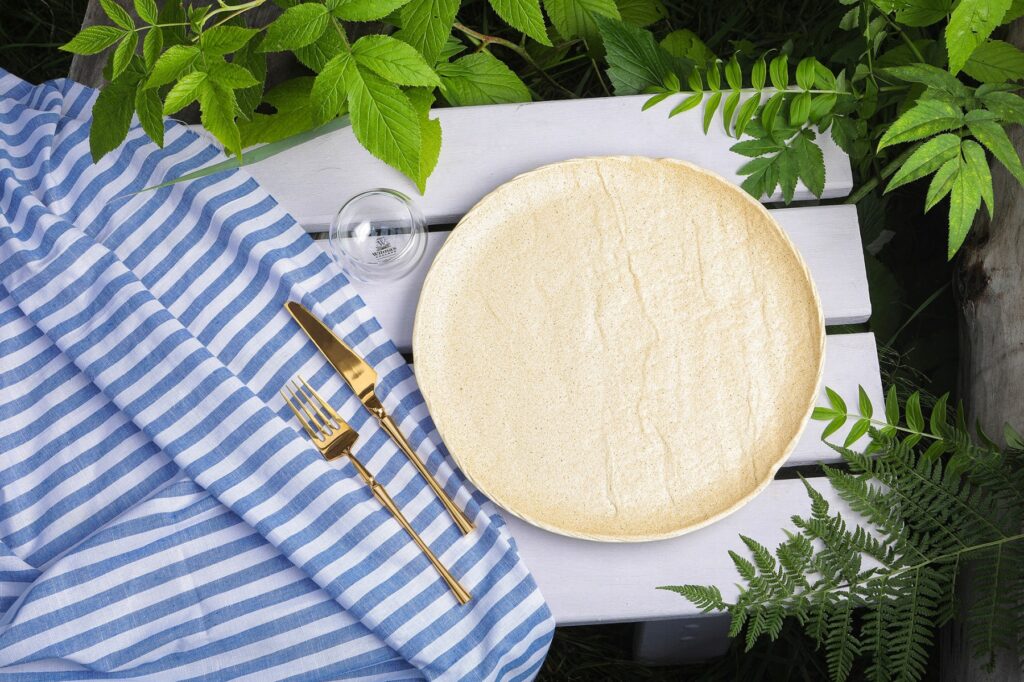
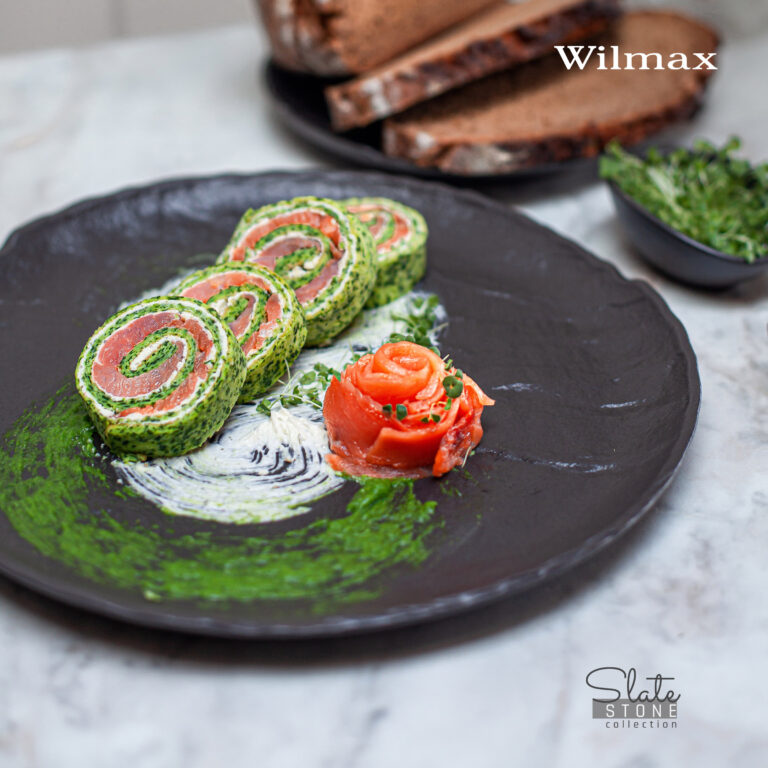
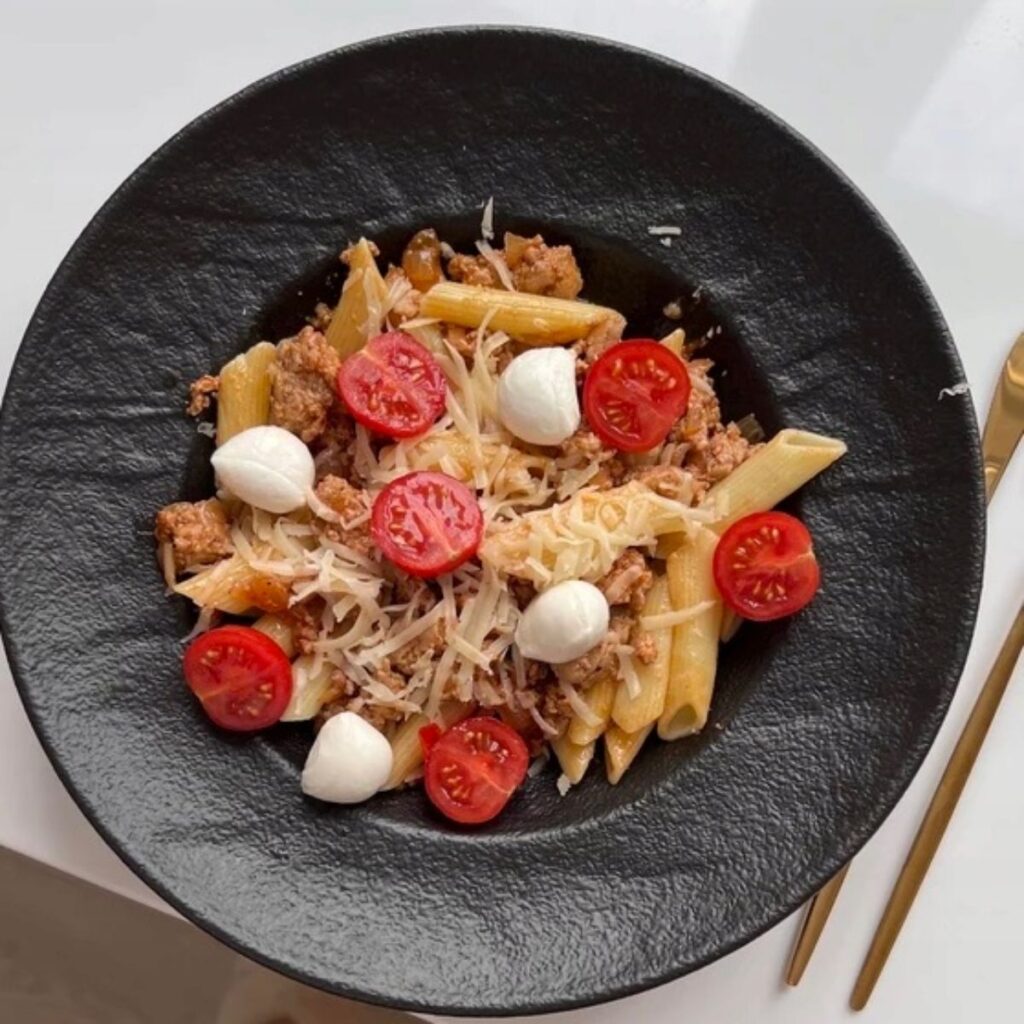
Matt, “stone-like” dishes are associated with stoneware, but in the Wilmax range they are porcelain with a matt glaze. The black Slatestone line imitates natural stone; one example is the 19 cm salad bowl (1600 ml). The beige SandStone, such as the 28 cm dinner plate, and the matt white WhiteStone look similar. You get the look of handmade pottery with the properties of porcelain: according to the product pages these dishes are dishwasher and microwave safe.
Colour: hand-applied glaze
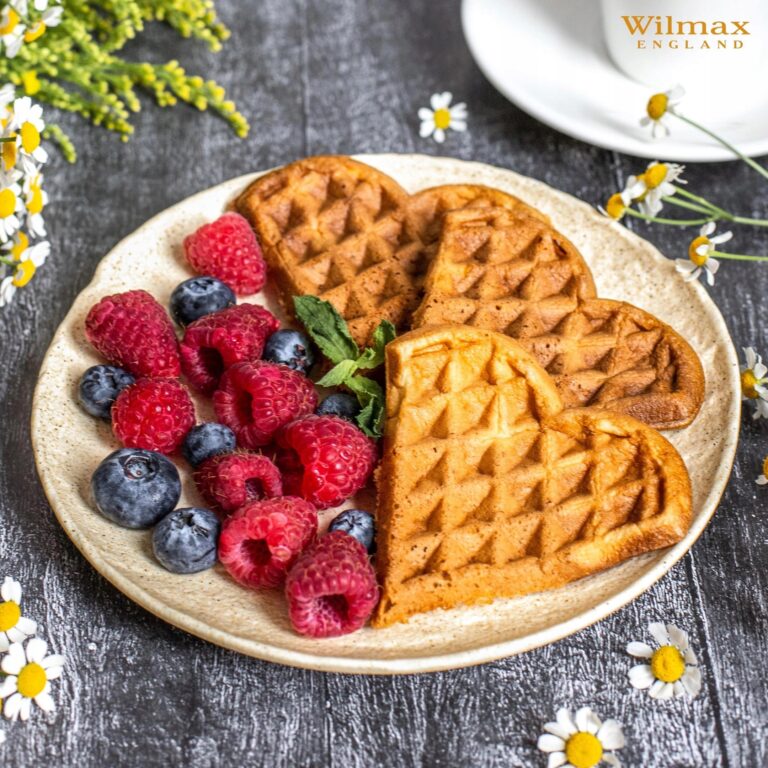
Colourful tableware does not have to be earthenware either. Porcelain from the Color Boom collection - the Spiral, Splash and Scratch lines - is covered with a hand-applied coloured glaze, so the shade and pattern on each plate come out slightly different. See, for example, the blue 24 cm Spiral deep plate or the 110 ml cup in the same colour. We showed more colour combinations in our post on the colours of the Color Boom collection.
What to choose
- For everyday use and the dishwasher - white porcelain, such as the 25.5 cm Diamond dinner plate and the 380 ml mug. It is easy to buy missing pieces and to combine lines.
- A natural, handmade look - matt Slatestone, SandStone or WhiteStone porcelain instead of stoneware.
- Colour on the table - Color Boom; it looks good as an accent with white dinner plates.
- For the oven - porcelain baking dishes, such as the oval 1650 ml BakeWare dish. For each dish, check the description to see whether it is oven safe.
You will find all the white, coloured and matt porcelain in the Wilmax porcelain category.
How to check what is dishwasher, microwave and oven safe is explained in our guide to porcelain in the dishwasher, microwave and oven.
Frequently asked questions
Is porcelain a ceramic?
Yes. Ceramics is the whole group of products made from fired mineral clay, and porcelain is its densest type.
Which is more durable: porcelain or stoneware?
Both are durable. Porcelain is harder and less absorbent, stoneware usually thicker and heavier. For everyday washing in the dishwasher porcelain is more practical.
Are the matt Slatestone plates stoneware?
No. They are porcelain with a matt glaze that imitates natural stone. According to the product pages, they are dishwasher safe.
What does “fine porcelain” mean?
It is a common English term for good quality table porcelain. At Wilmax it is also the name of the largest white line, FinePorcelain.
Does Wilmax sell stoneware or earthenware?
No. Wilmax plates, mugs, bowls and baking dishes are porcelain. Apart from that the range includes glass, stainless steel and bamboo.
Porcelain from this guide
-
Sale!


Dinner plate 25.5 cm WL-880101104/A
A 25.5 cm dinner plate - the standard size for a main course, flat and without a decorative rim. White porcelain, no gilding, so it goes in the dishwasher and the microwave.
Original price was: 12,99 €.8,99 €Current price is: 8,99 €. -
Sale!
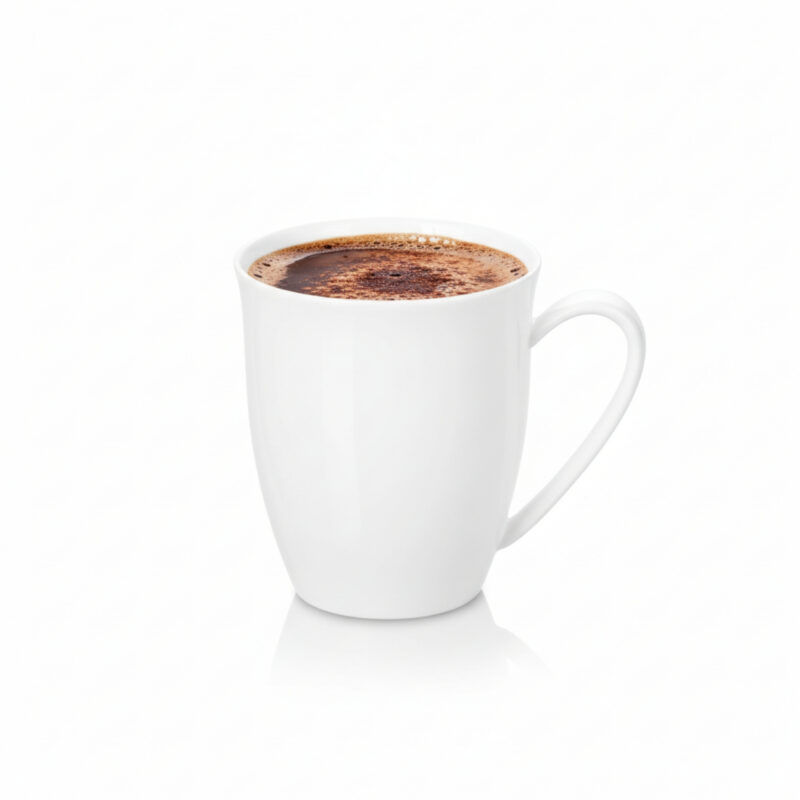

Mug 380 ml white porcelain WL-993014/A
A 380 ml mug in white porcelain - a capacity between the classic 300 ml and the large 420 ml in the same series, for everyday milky coffee and tea. Dishwasher, microwave and oven safe.
Original price was: 4,99 €.3,99 €Current price is: 3,99 €. -
Sale!
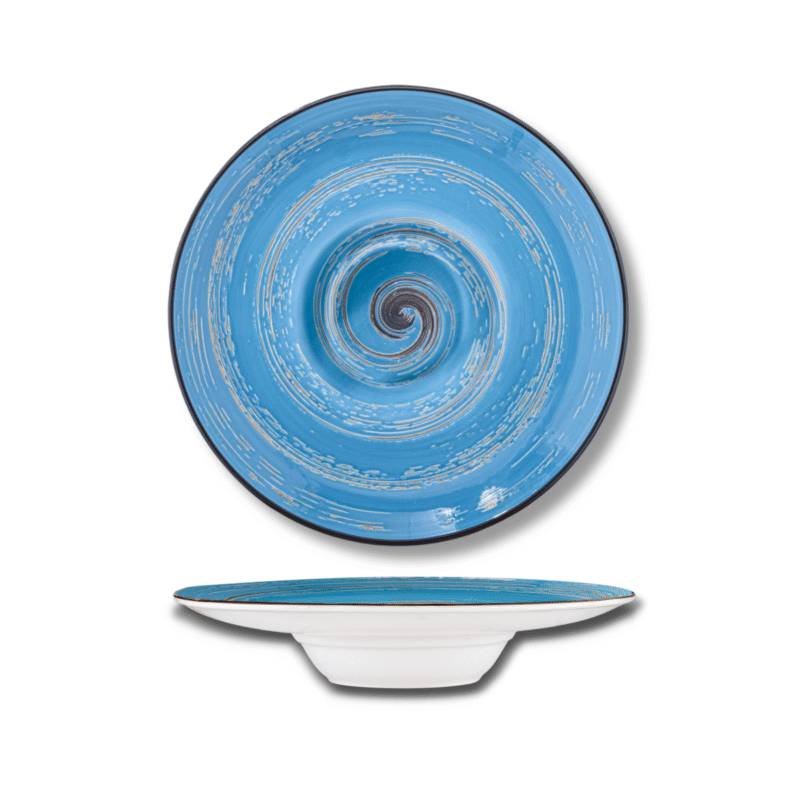
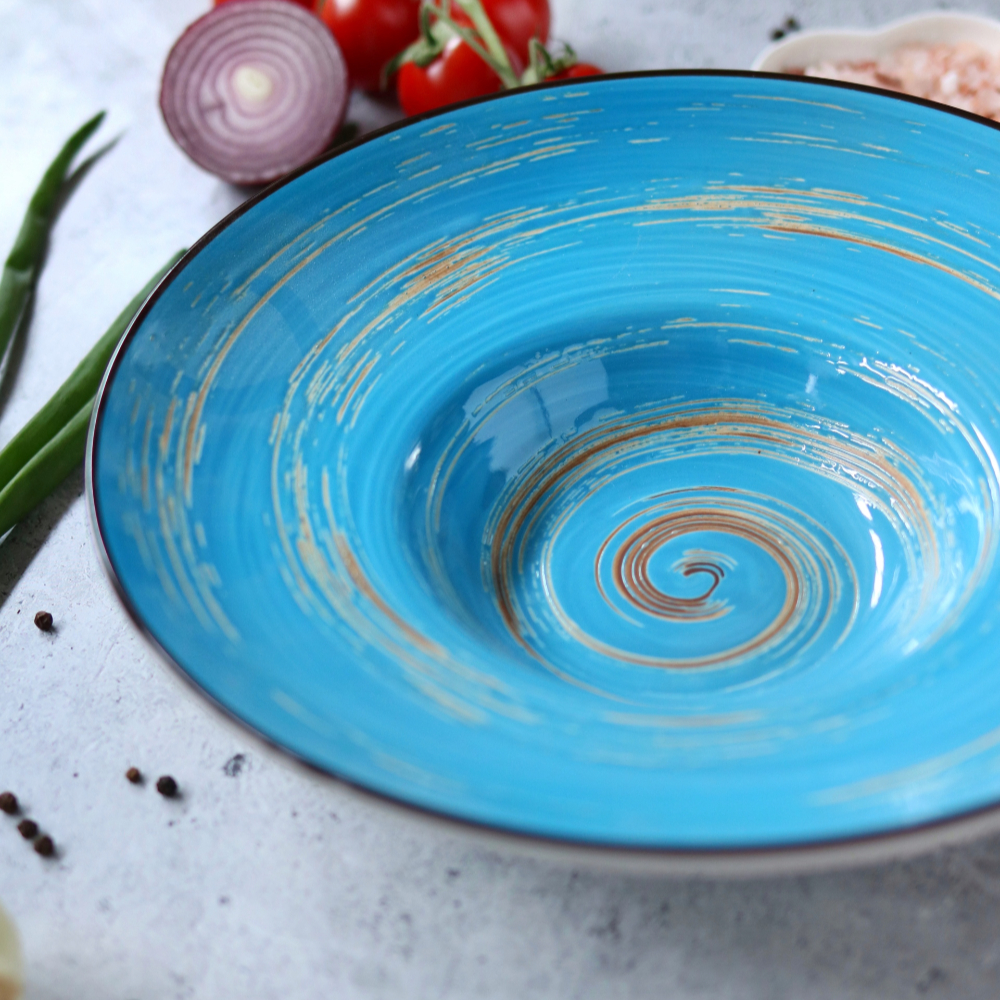
Deep plate blue porcelain 24 cm 200 ml WL-669625/A
A deep plate 24 cm in blue Spiral porcelain - the shallower 200 ml form: for cream soup, carpaccio or pasta with a little sauce. Dishwasher and microwave safe.
Original price was: 11,99 €.8,99 €Current price is: 8,99 €. -
Sale!
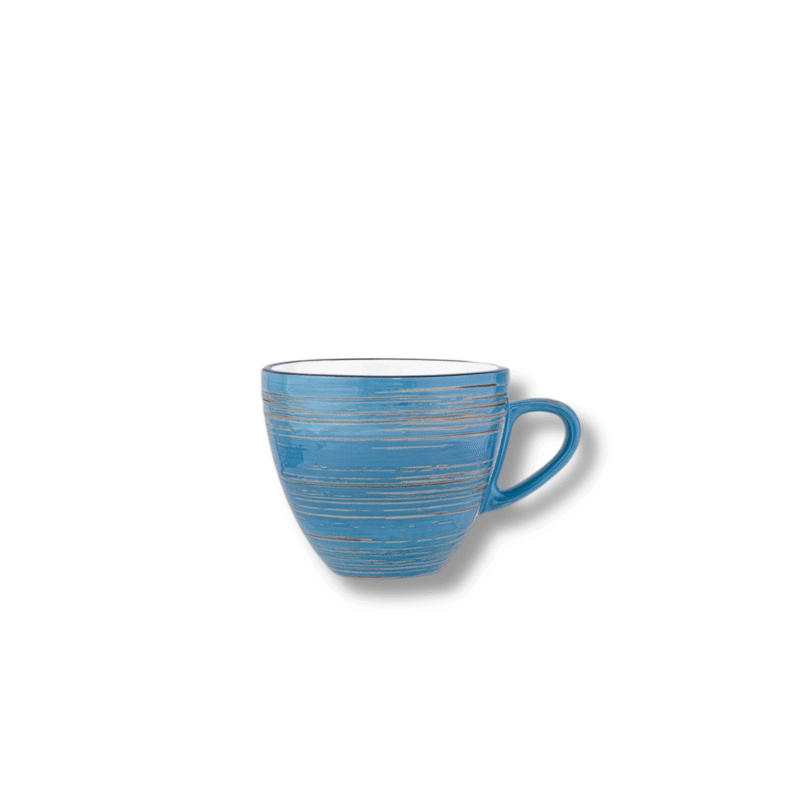

Blue porcelain cup 110 ml WL-669634/A
A 110 ml cup in blue Spiral porcelain - the size for a short black or a double espresso; at 5.7 cm tall it fits under a machine spout. Dishwasher and microwave safe.
Original price was: 5,99 €.4,99 €Current price is: 4,99 €. -
Sale!
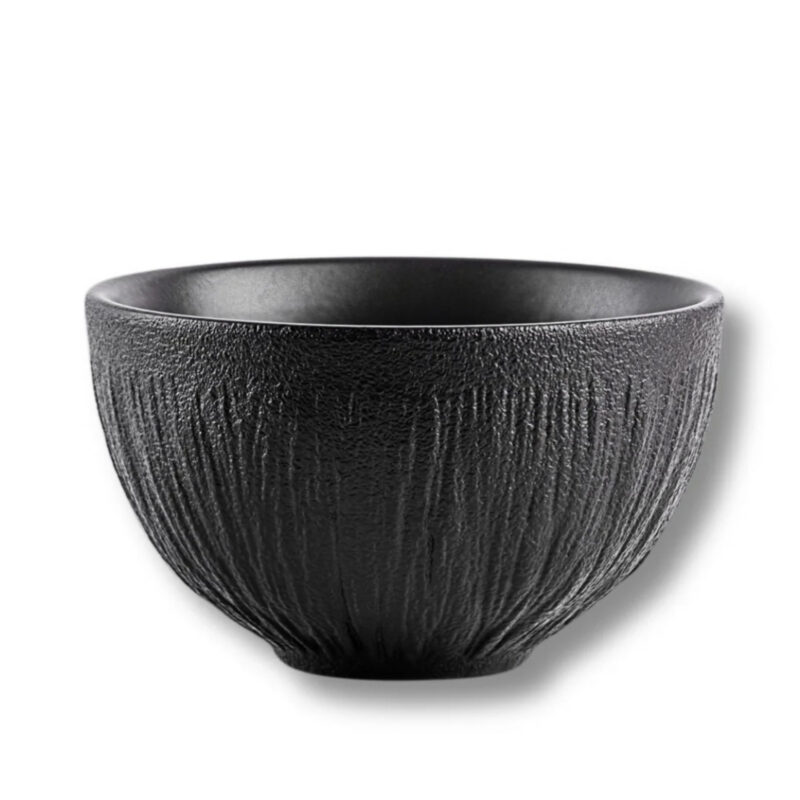

Black matte porcelain bowl 19 cm 1600 ml WL-664118/A
A 19 cm bowl holding 1600 ml and 10 cm tall - the largest in the black SlateStone series. The matte glaze imitates hewn stone, so fingerprints show less than on a glossy finish.
Original price was: 25,99 €.18,99 €Current price is: 18,99 €. -
Sale!
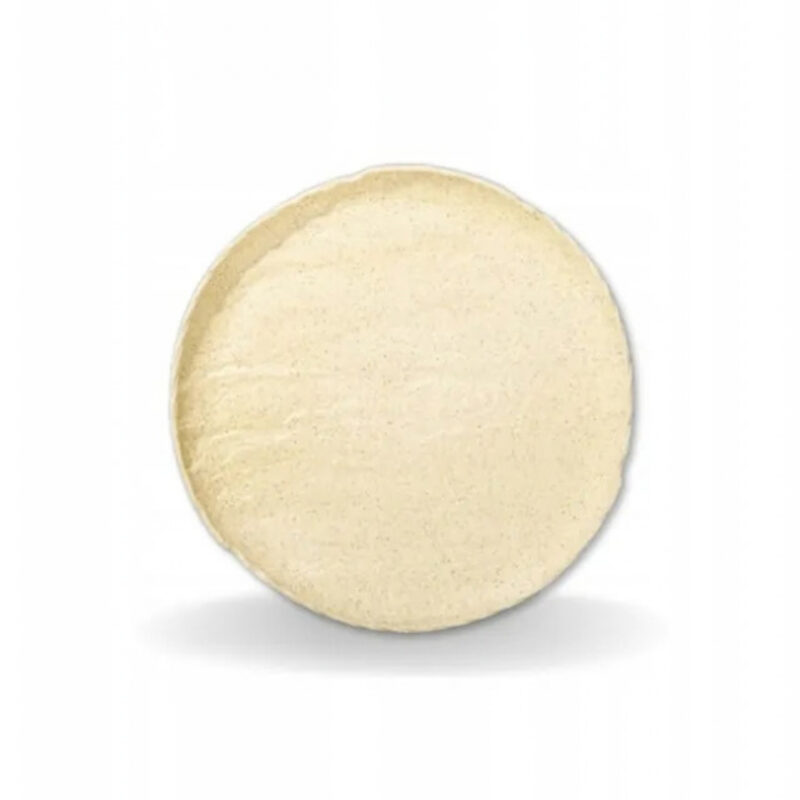

Dinner plate round beige matte porcelain 28 cm WL-661327/A
A flat 28 cm dinner plate in beige SandStone - the largest flat diameter in the series, for a main course with sides. The matte surface does not reflect light and hides cutlery marks.
Original price was: 17,99 €.12,99 €Current price is: 12,99 €. -
Sale!


Baking dish with handles 1650 ml WL-997040/A
An oval 30.5 cm baking dish, 1650 ml - the right size for dinner for three or four. Side handles give a secure grip through oven gloves. White porcelain, dishwasher and microwave safe.
Original price was: 25,99 €.20,99 €Current price is: 20,99 €.