Wine
Showing all 27 results
Pieces for serving wine: carafes, decanters and jugs from 350 to 2000 ml. 24 of the 25 items are crystal glass; one is a stainless steel wine cooler.
Carafe or decanter
The names get mixed up, but the difference is practical. A decanter has a wide, flat base – the large contact area with air opens a young, tannic red in fifteen minutes or so. A carafe is narrower and mostly for serving: you pour the wine to leave the sediment in the bottle and put something nicer than a label on the table.
Capacities
- 350–750 ml – one bottle or part of it; handy for wine served with dinner.
- 1000–1500 ml – the most popular size: a bottle plus room to breathe.
- 2000 ml – for a party, and just as good for lemon water or lemonade.
The wine bucket
The one non-glass item here is a wine bucket in double-walled stainless steel, 13 × 19 cm. The air gap between the walls holds a chilled bottle at temperature through the meal and stops condensation forming outside, so it can stand directly on the tablecloth. Ice is not needed, though if the bottle is at room temperature iced water will chill it in about fifteen minutes.
Wine glasses are in wine glasses, and all table glassware in glasses and tumblers.
Washing
21 of the 25 items are dishwasher safe. The four exceptions – decorated and gold-rimmed models – need hand washing. A carafe is easiest to rinse right after use; dried red wine residue comes off with warm water and a little baking soda.
Frequently asked questions
How long should wine decant?
A young red, 20–40 minutes. Older vintages are decanted briefly, only to separate the sediment.
Can a carafe be used for water?
Yes, and it is one of the commoner uses. The 1500 and 2000 ml jugs work well for lemon water.
How do I dry the inside of a carafe?
Stand it upside down on a cloth at an angle so air can circulate. Narrow necks take a few hours.


Wine bucket with double walls stainless steel 13×19 cm WL-552402/A
A wine bucket 13 x 19 cm in double-walled stainless steel — a chilled bottle holds its temperature without ice, and no condensation forms on the outside. Dishwasher safe.
SKU: WL-552402/A Categories: Drinkware, Materials, Stainless Steel, Wine, Wine BucketSafe to use in:

Dishwasher
42,99 €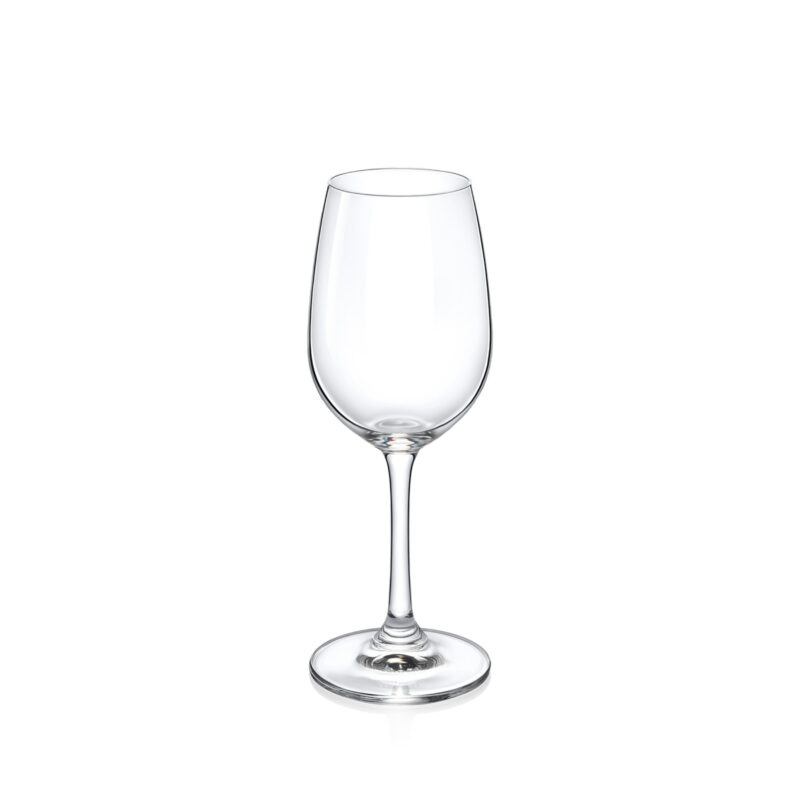

Wine glass 350 ml set 6 pieces WL-888012/6A
Six 350 ml wine glasses — the smallest in the Shelley line, 21 cm tall with a 7.5 cm bowl. The lower build stands more firmly on a crowded table and fits a shallower cupboard. Dishwasher safe.
SKU: WL-888012/6A Categories: Collection, Crystal Glass, Crystal glasses, Drinkware, Glasses, Materials, Wine, Wine GlassSafe to use in:
Dishwasher
34,99 €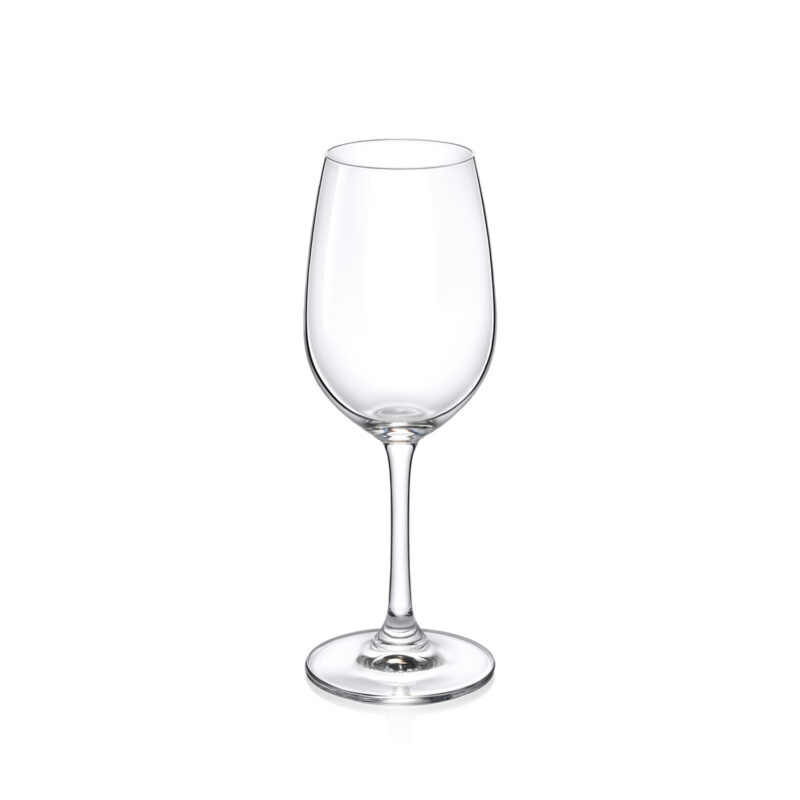
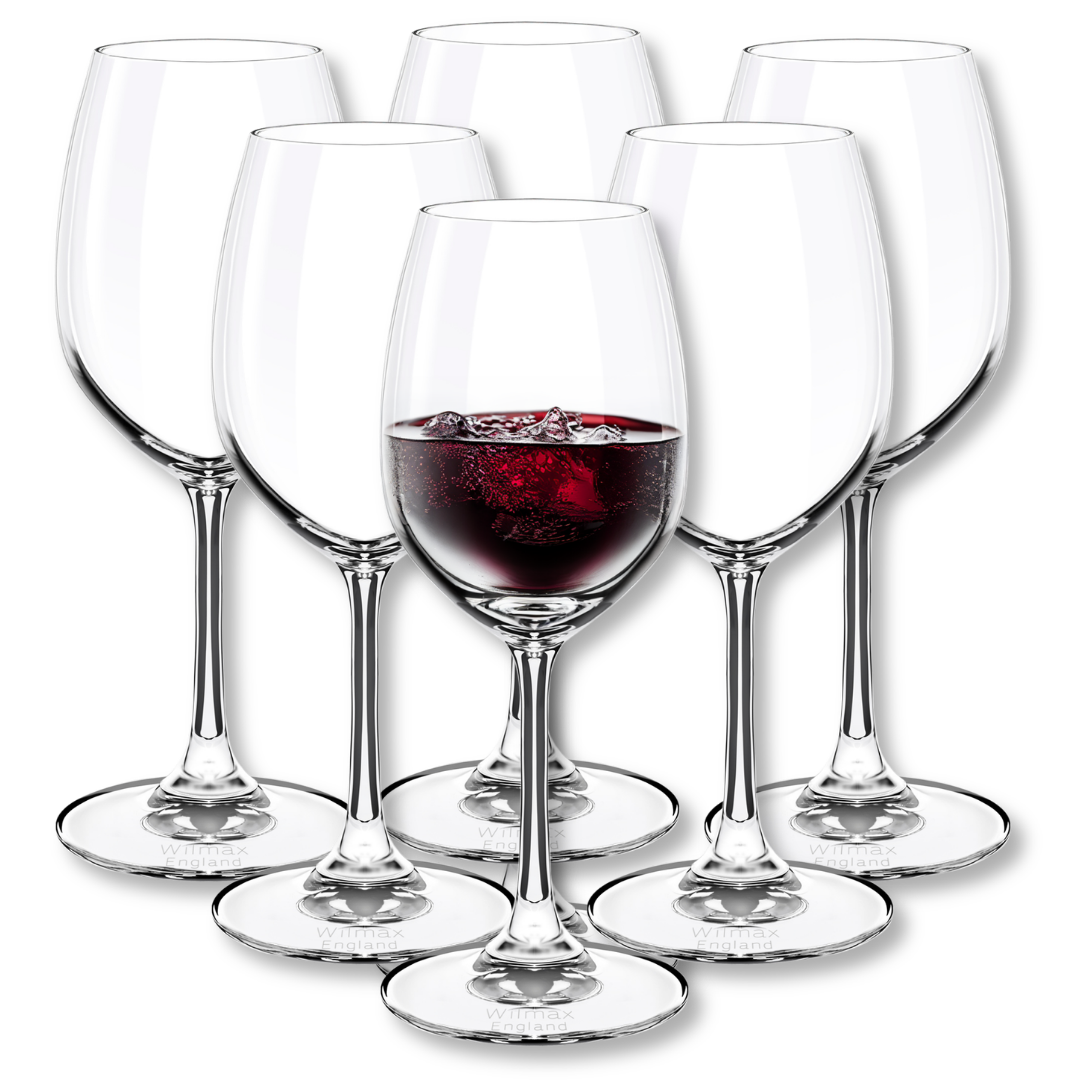
Wine glass 420 ml set 6 pieces WL-888013/6A
Six 420 ml wine glasses — the same 23 cm height as the 600 ml version but with a narrower 8 cm bowl. The smaller pour holds the temperature of a white better. Dishwasher safe.
SKU: WL-888013/6A Categories: Collection, Crystal Glass, Crystal glasses, Drinkware, Glasses, Materials, Wine, Wine GlassSafe to use in:
Dishwasher
36,99 €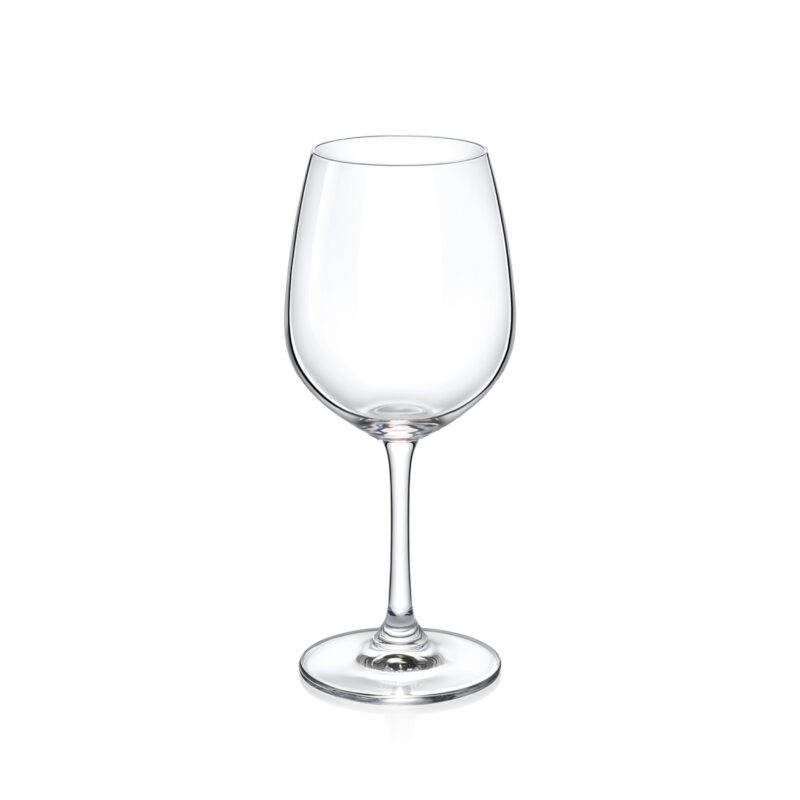

Wine glass 600 ml set 6 pieces WL-888014/6A
Six 600 ml wine glasses — an 8.4 cm bowl on a 23 cm stem, the largest of the three sizes in the Shelley line. A size for reds that need room to open up. Dishwasher safe.
SKU: WL-888014/6A Categories: Collection, Crystal Glass, Crystal glasses, Drinkware, Glasses, Materials, Wine, Wine GlassSafe to use in:
Dishwasher
40,99 €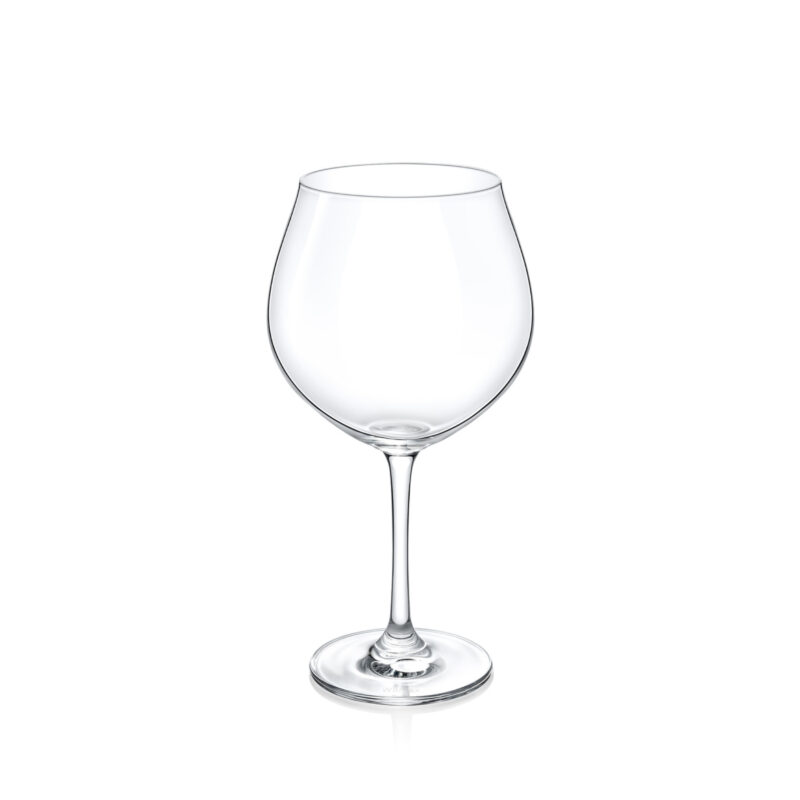

Chardonnay glass 800 ml set of 6 pieces WL-888032/6A
Six 800 ml chardonnay glasses, 22.5 cm tall — a set for a whole party with nothing left to buy. Undina collection, crystalline glass, dishwasher safe.
SKU: WL-888032/6A Categories: Crystal Glass, Crystal glasses, Drinkware, Glasses, Materials, Wine, Wine GlassSafe to use in:
Dishwasher
42,99 €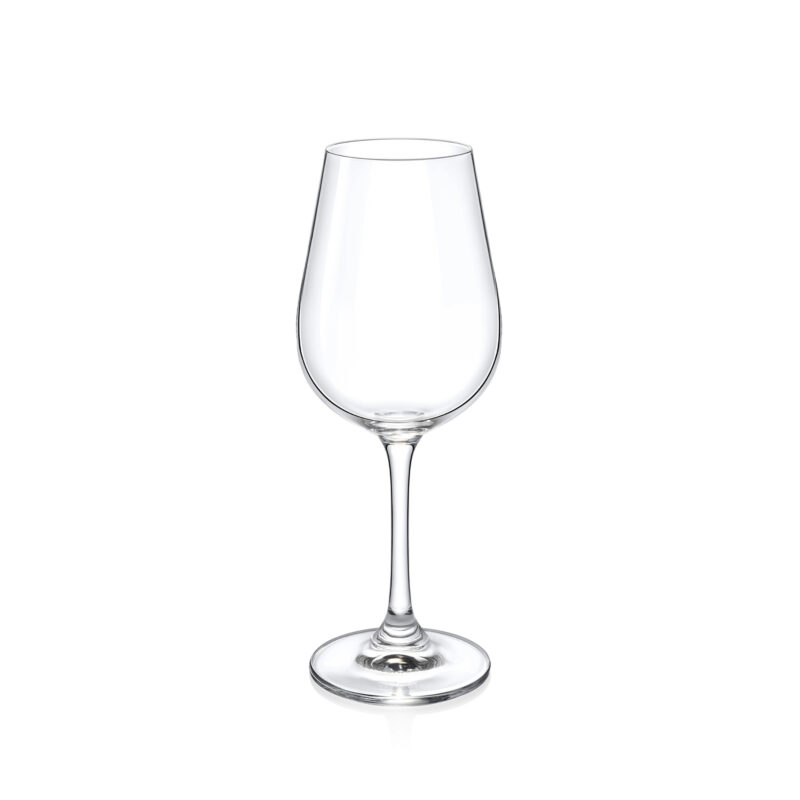
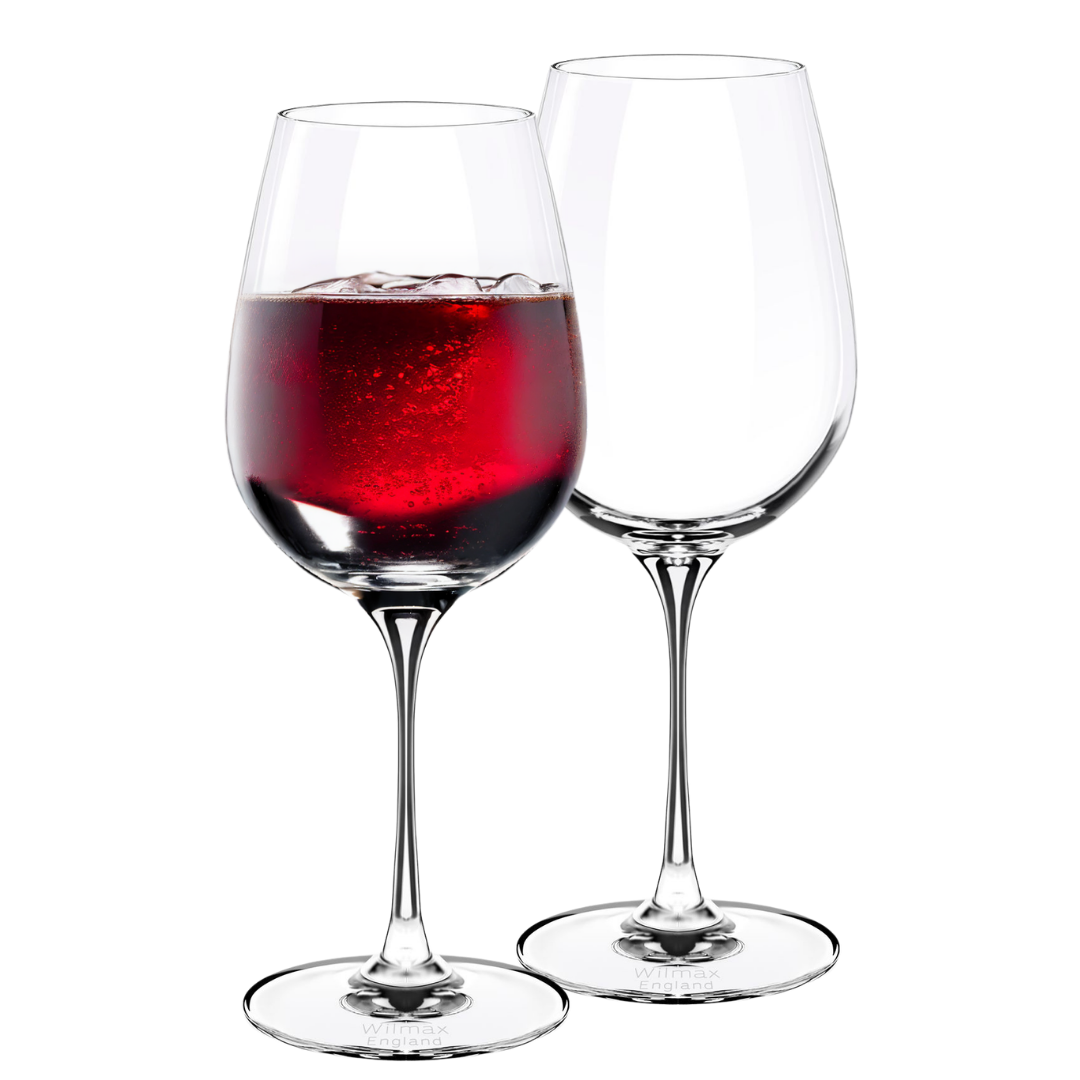
Wine glass 470 ml set of 2 pieces WL-888033/2C
Two 470 ml wine glasses — the lowest of the group, 22.6 cm tall with a 7.7 cm bowl. The shorter build tips over less and fits a standard cupboard more easily. Dishwasher safe.
SKU: WL-888033/2C Categories: Collection, Crystal Glass, Crystal glasses, Drinkware, Glasses, Materials, Wine, Wine GlassSafe to use in:
Dishwasher
16,99 €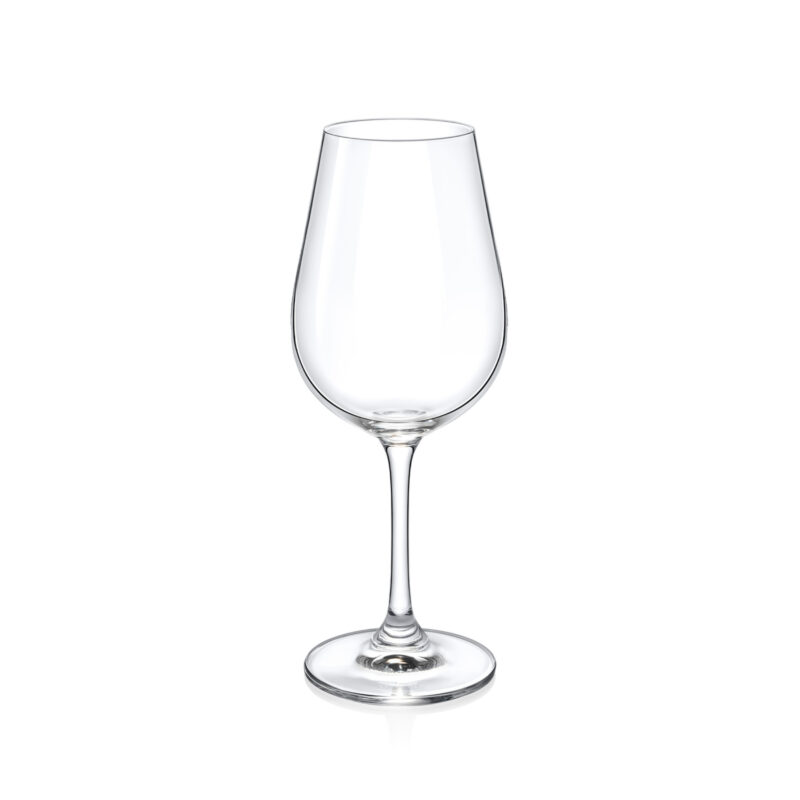

Wine glass 580 ml set of 2 pieces WL-888034/2C
Two 580 ml wine glasses, 25.4 cm tall — the middle capacity between the 440 and the 700 ml versions. The size for a glass of red with dinner, without going overboard. Dishwasher safe.
SKU: WL-888034/2C Categories: Collection, Crystal Glass, Crystal glasses, Drinkware, Glasses, Materials, Wine, Wine GlassSafe to use in:
Dishwasher
17,99 €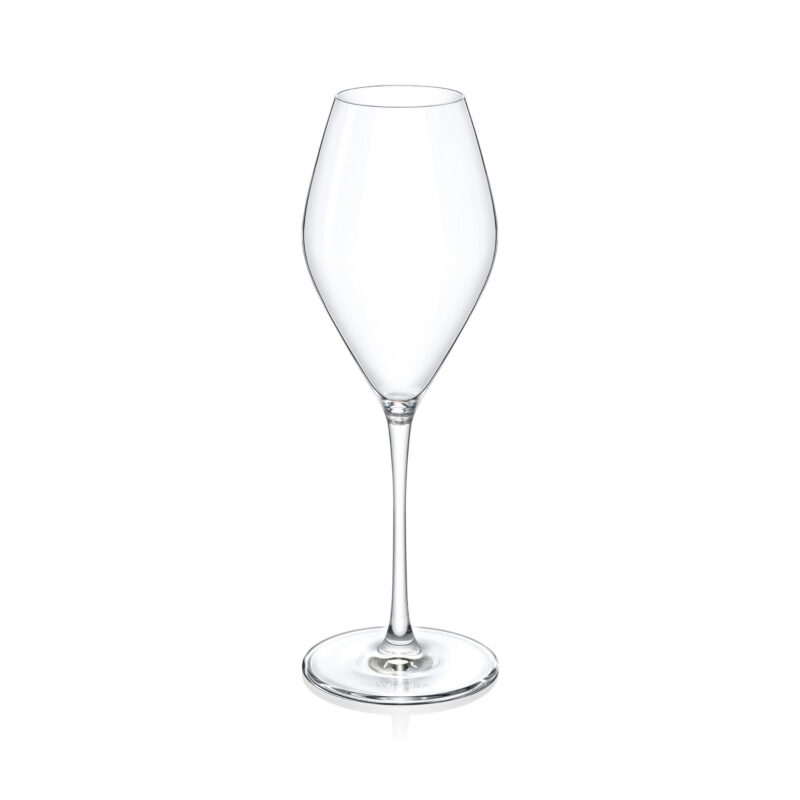

Wine glass 440 ml set of 2 pieces WL-888045/2C
Two 440 ml wine glasses — an 8 cm bowl on a 25.4 cm stem. The smallest capacity in this group, handy for a white that should stay chilled to the last sip. Dishwasher safe.
SKU: WL-888045/2C Categories: Collection, Crystal Glass, Crystal glasses, Diva, Drinkware, Glasses, Materials, Wine, Wine GlassSafe to use in:
Dishwasher
20,99 €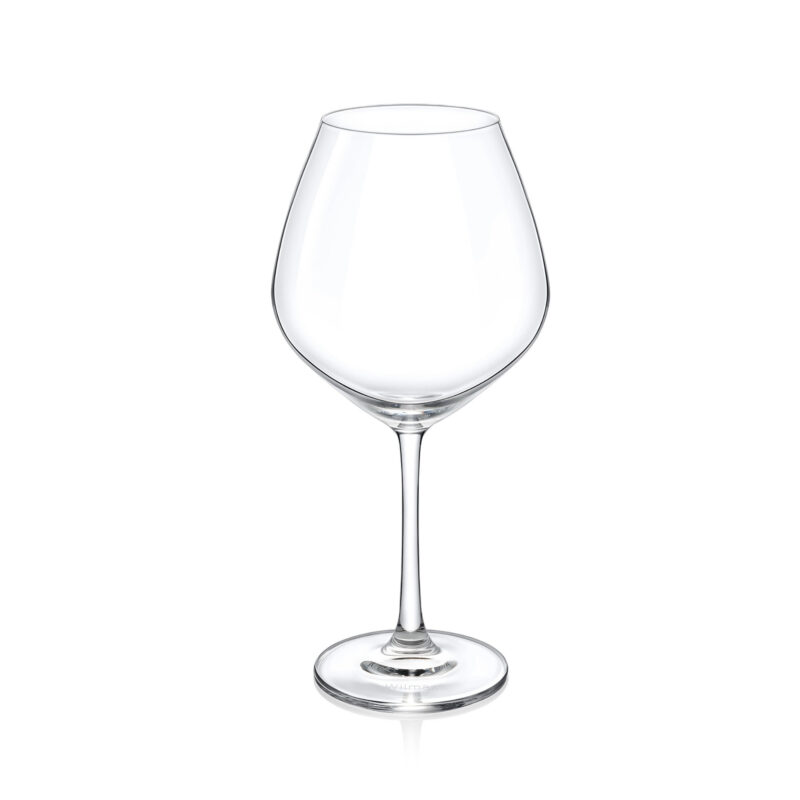

Chardonnay wine glass 800 ml set of 2 pieces WL-888054/2C
Two 800 ml chardonnay glasses, 24 cm tall — 1.5 cm lower than the 880 ml version, which makes them steadier on a crowded table. They suit a light red as well.
SKU: WL-888054/2C Categories: Crystal Glass, Crystal glasses, Drinkware, Glasses, Materials, Wine, Wine GlassSafe to use in:
Dishwasher
21,99 €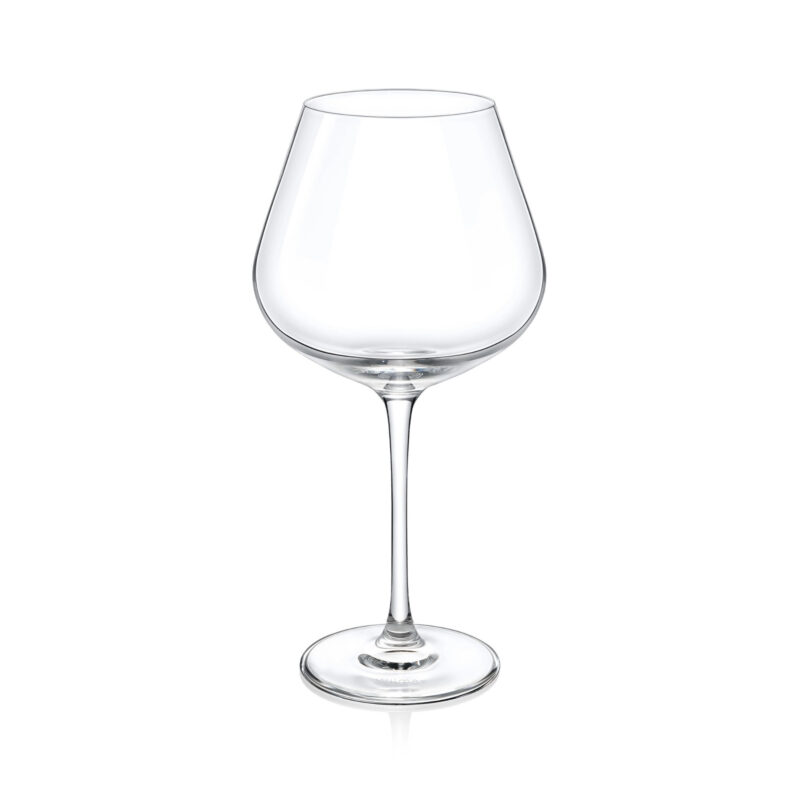
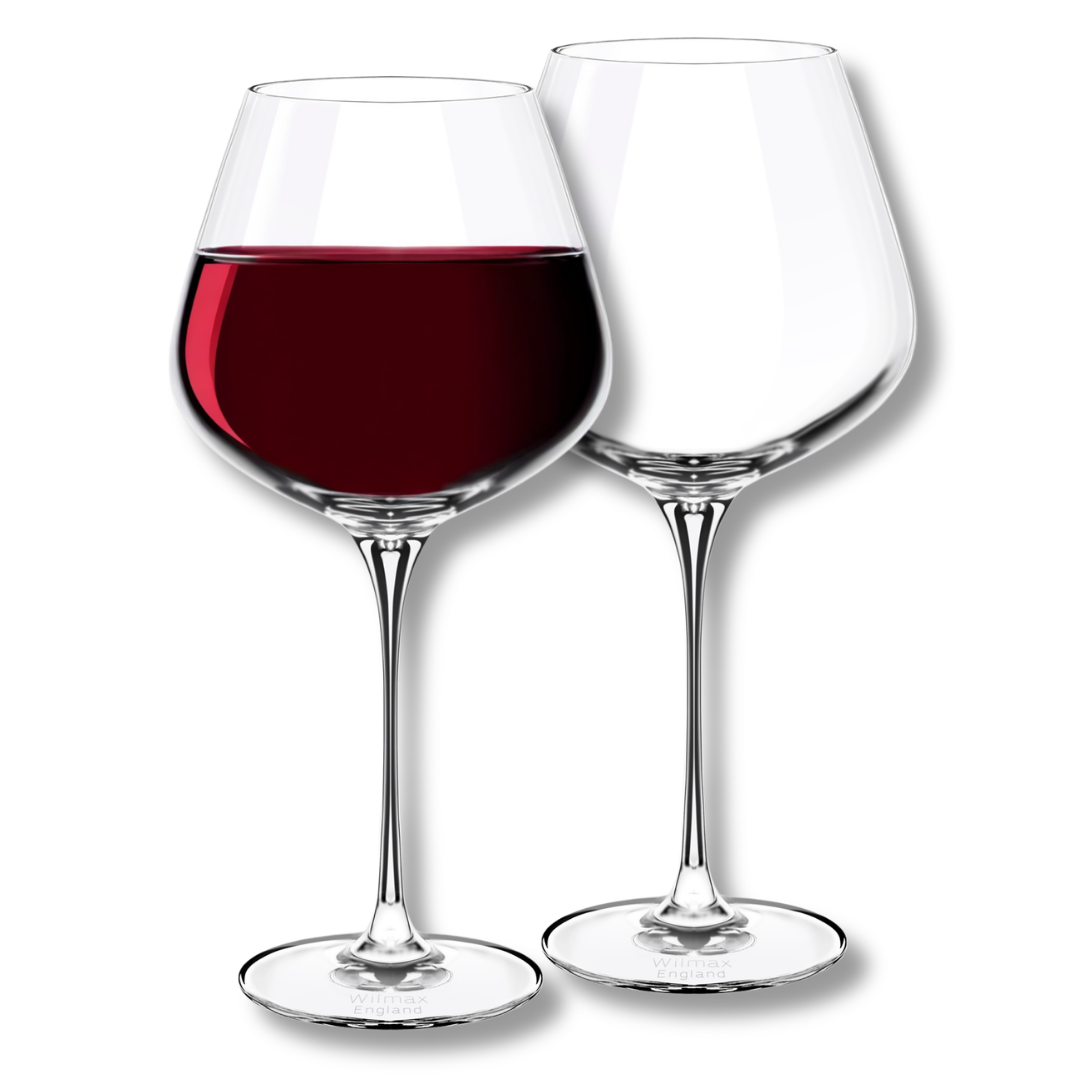
Wine glass chardonnay 880 ml set of 2 pieces WL-888055/2C
Two 880 ml chardonnay glasses — 25.5 cm tall, the larger of this pair of sizes. The tall bowl gathers the aroma of an oaked white above the surface. Dishwasher safe.
SKU: WL-888055/2C Categories: Crystal Glass, Crystal glasses, Drinkware, Glasses, Materials, Wine, Wine GlassSafe to use in:
Dishwasher
22,99 €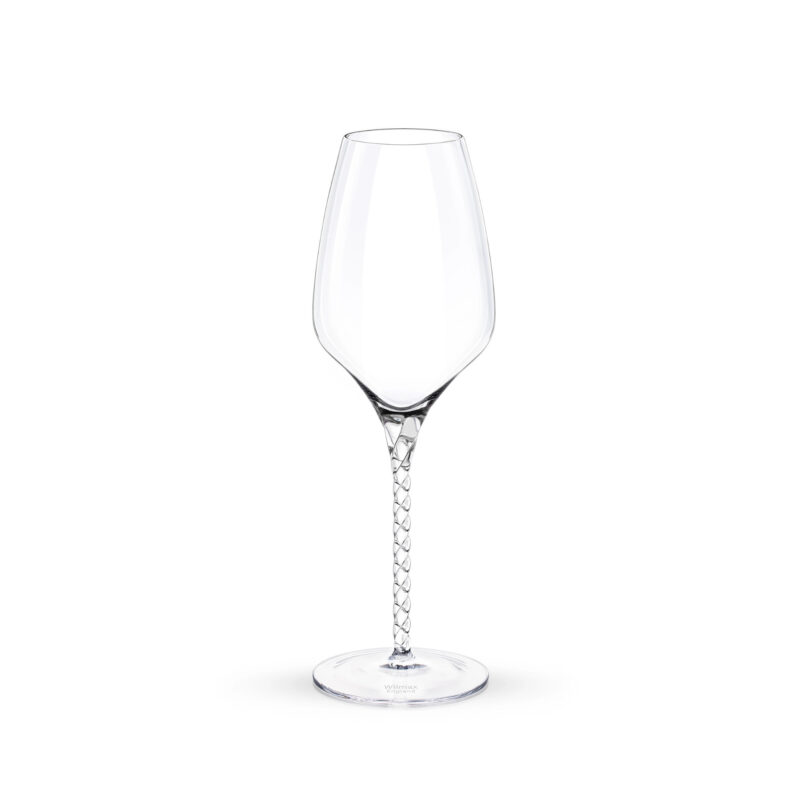

Wine glass 600 ml set of 2 pieces WL-888101/2C
Two 600 ml wine glasses on a very tall 28.3 cm stem — the 9.1 cm bowl leaves room to swirl, and wine poured halfway has a wide surface in contact with the air. Hand wash.
29,99 €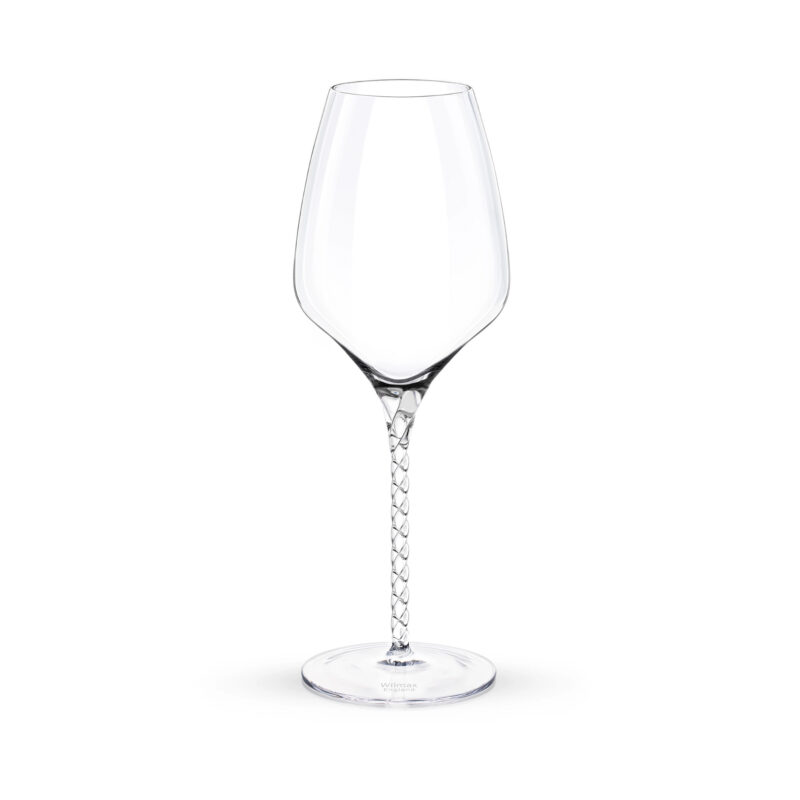

Wine glass 800 ml set of 2 pieces WL-888102/2C
Two 800 ml wine glasses on an unusually tall stem — 29 cm, taller than the 950 ml version. The high build keeps your hand well clear of the bowl and the wine unwarmed. Hand wash.
23,99 €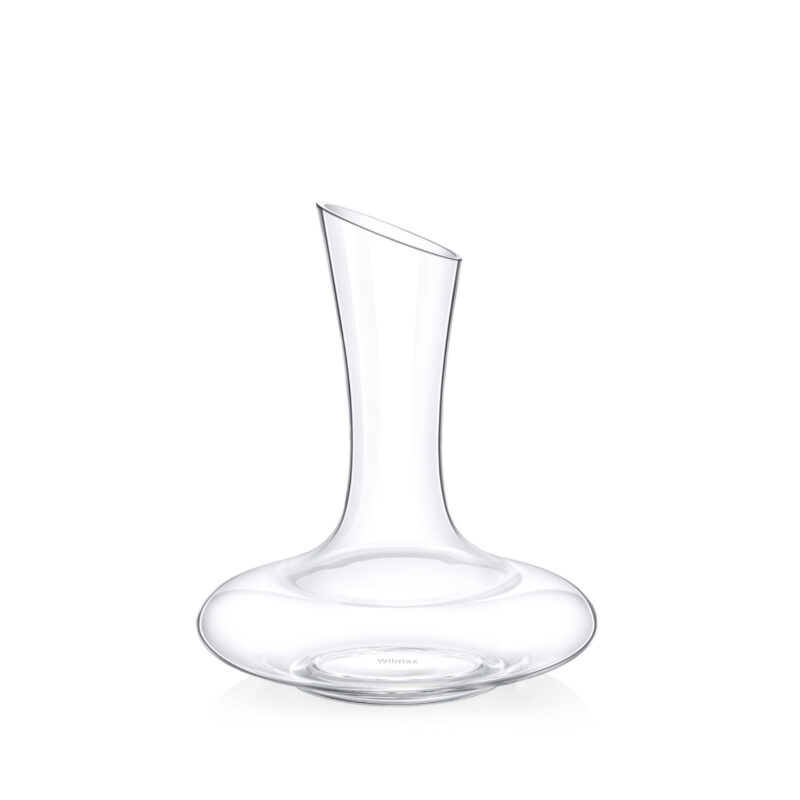

Wine carafe 1500 ml WL-888332/1C
The largest decanter in the series — 1500 ml, 26.5 cm tall and 21 cm wide. It takes two bottles at once, so a long dinner needs no refill halfway. Crystalline glass.
SKU: WL-888332/1C Categories: Crystal Glass, Drinkware, Jugs & Carafes, Materials, Wine, Wine CarafeSafe to use in:
Dishwasher

Microwave
29,99 €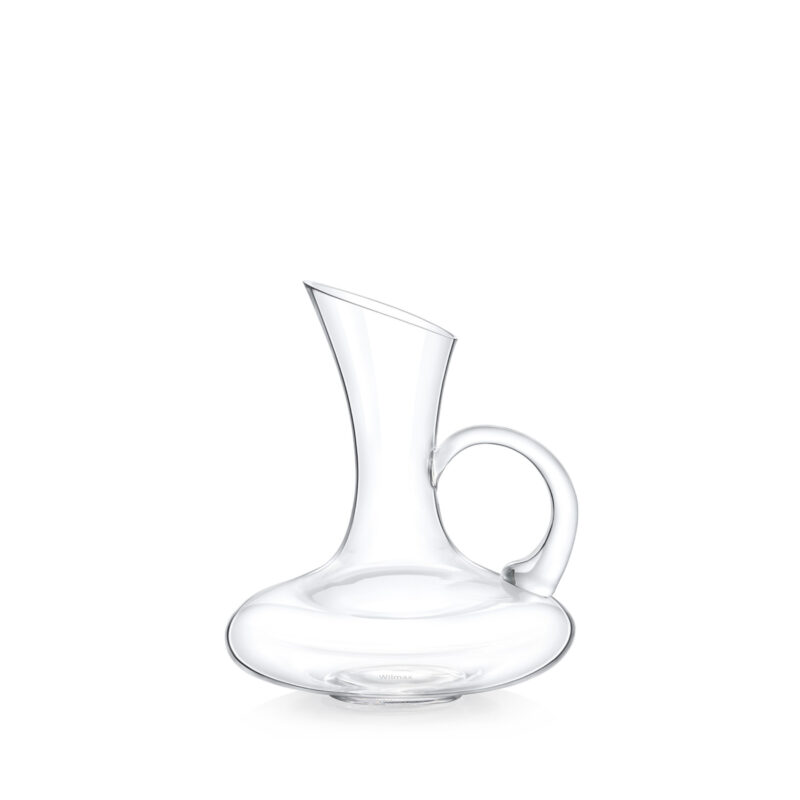

Wine carafe 750 ml WL-888333/1C
A low, spread-out 750 ml decanter — 19.5 cm tall on 15.5 cm of width. The wide base lays one bottle out in a thin layer, which shortens the decanting of a young red.
SKU: WL-888333/1C Categories: Crystal Glass, Drinkware, Jugs & Carafes, Materials, Wine, Wine CarafeSafe to use in:
Dishwasher
Microwave
27,99 €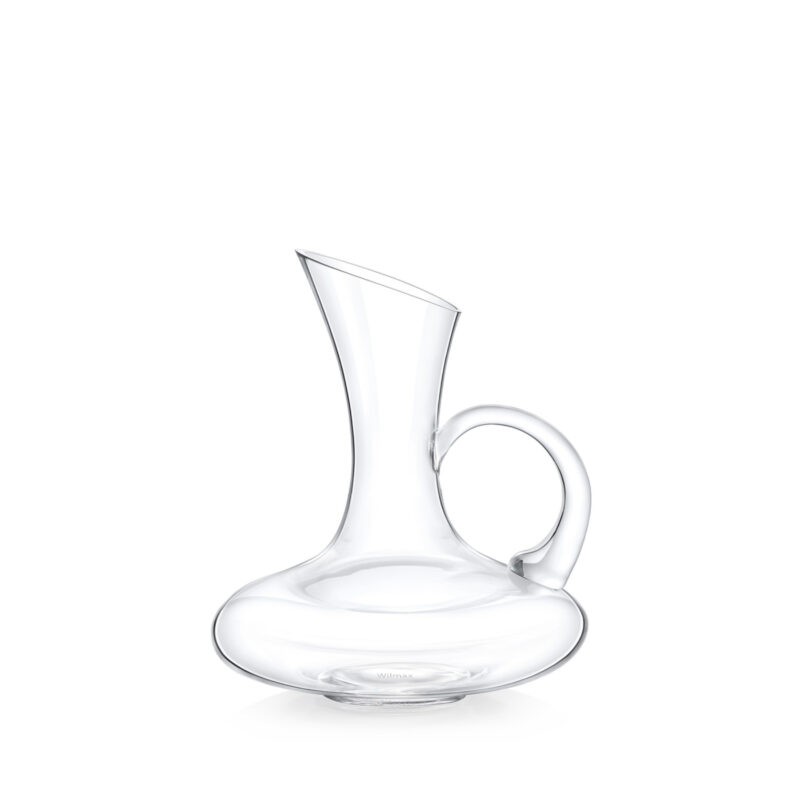
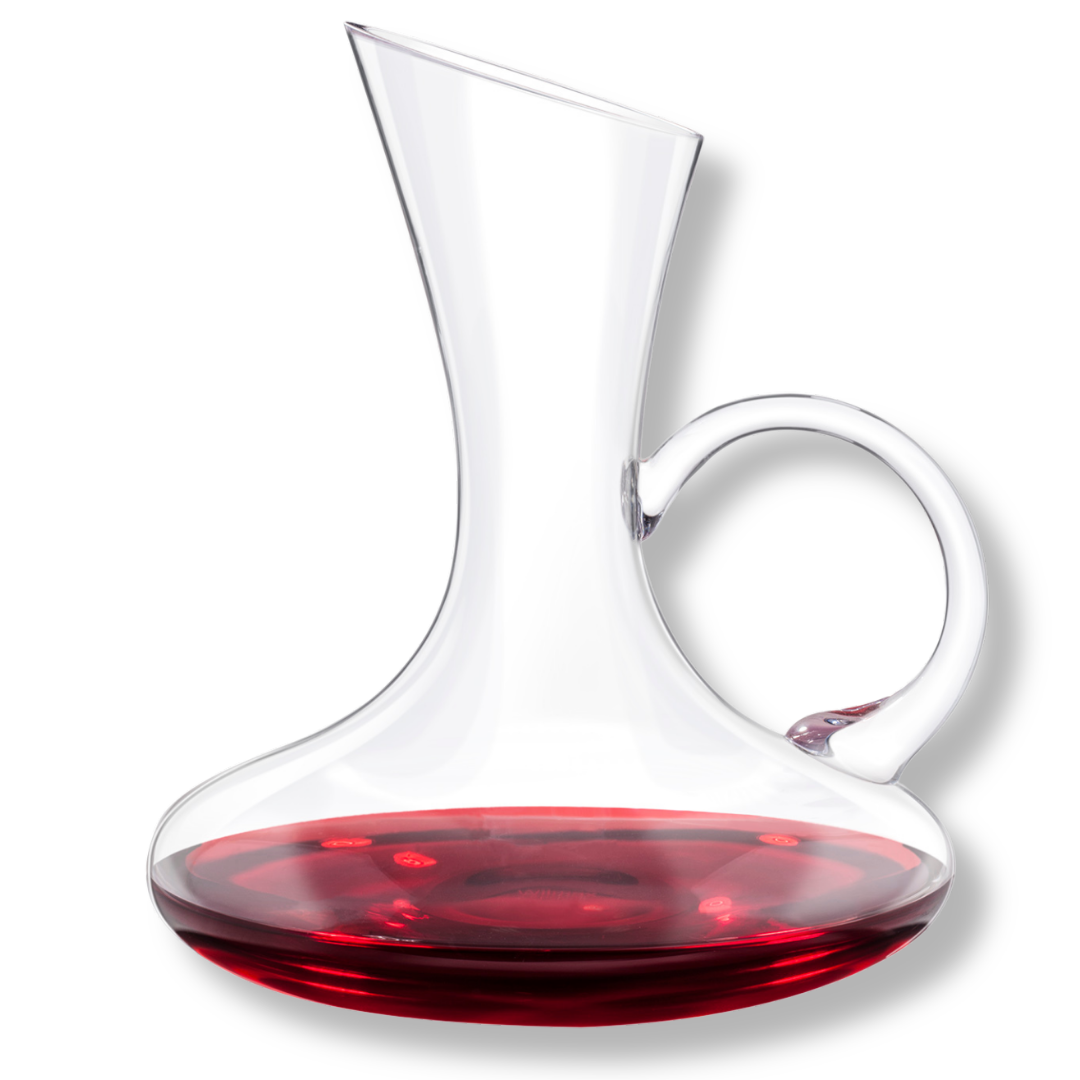
Glass wine carafe 1200 ml WL-888334/1C
A 1200 ml wine carafe, 22 cm tall and 18 cm wide — a bottle and a half, which is a comfortable size for dinner between two couples. Crystalline glass.
SKU: WL-888334/1C Categories: Crystal Glass, Drinkware, Jugs & Carafes, Materials, Wine, Wine CarafeSafe to use in:
Dishwasher
Microwave
29,99 €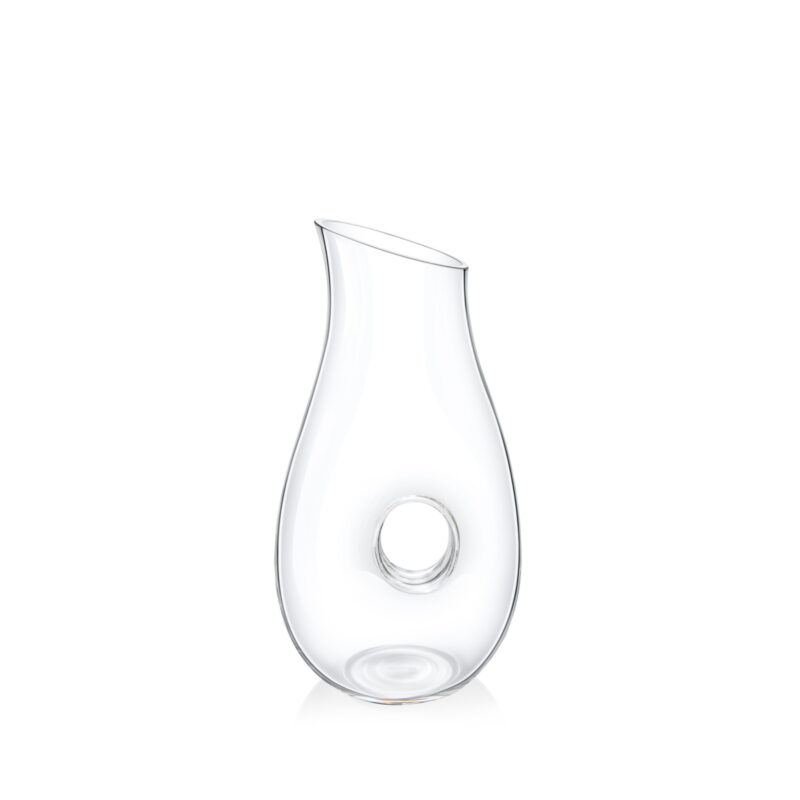
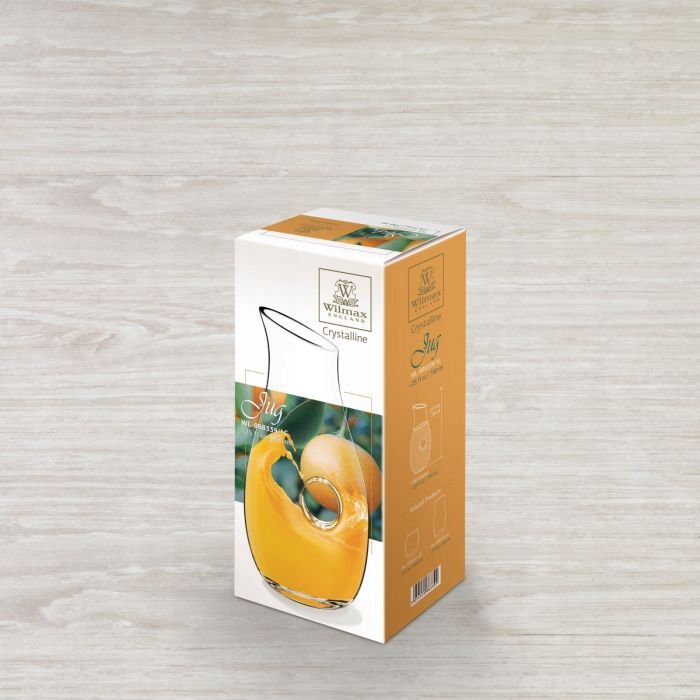
Glass wine carafe 750 ml WL-888339/1C
A 750 ml wine carafe with a narrow 25 cm profile on 6 cm of width — exactly one bottle, with no empty space above the wine. Good for moving the rest of an open bottle over to the next day.
SKU: WL-888339/1C Categories: Crystal Glass, Crystalline Glass Jug, Drinkware, Jug, Jugs & Carafes, Materials, Wine, Wine CarafeSafe to use in:
Dishwasher
Microwave
33,99 €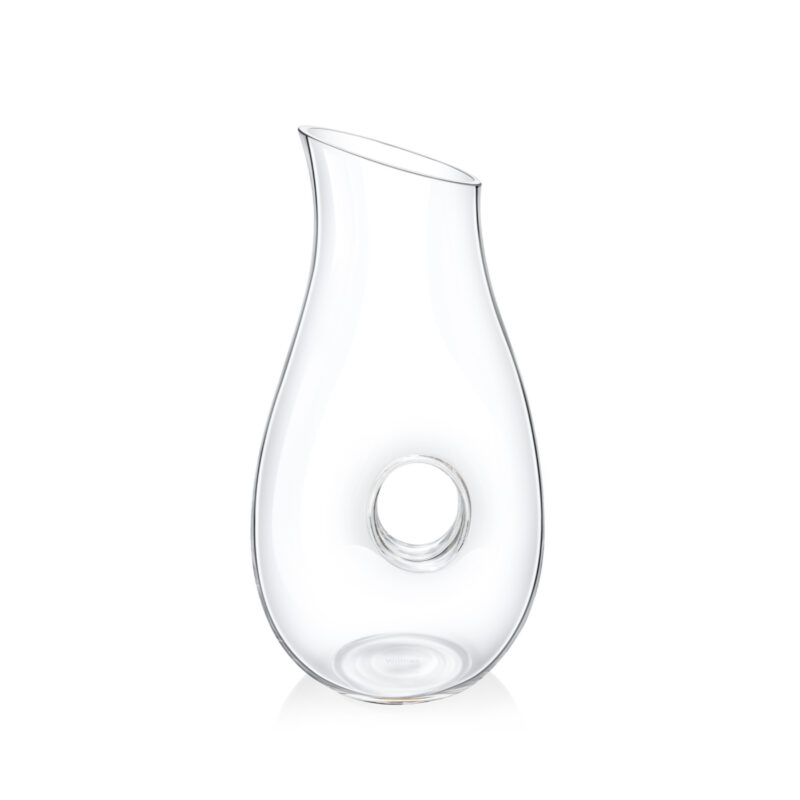
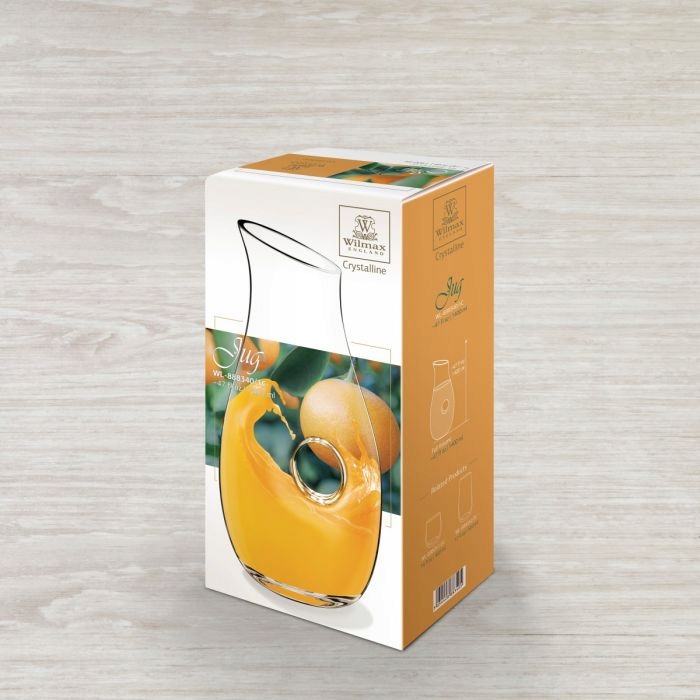
Glass wine carafe 1400 ml WL-888340/1C
The tallest carafe in the series — 1400 ml at 31 cm high and only 8.5 cm wide. Pouring from that height aerates the wine again on its way to the glass. Crystalline glass.
SKU: WL-888340/1C Categories: Crystal Glass, Crystalline Glass Jug, Drinkware, Jug, Jugs & Carafes, Materials, Wine, Wine CarafeSafe to use in:
Dishwasher
Microwave
40,99 €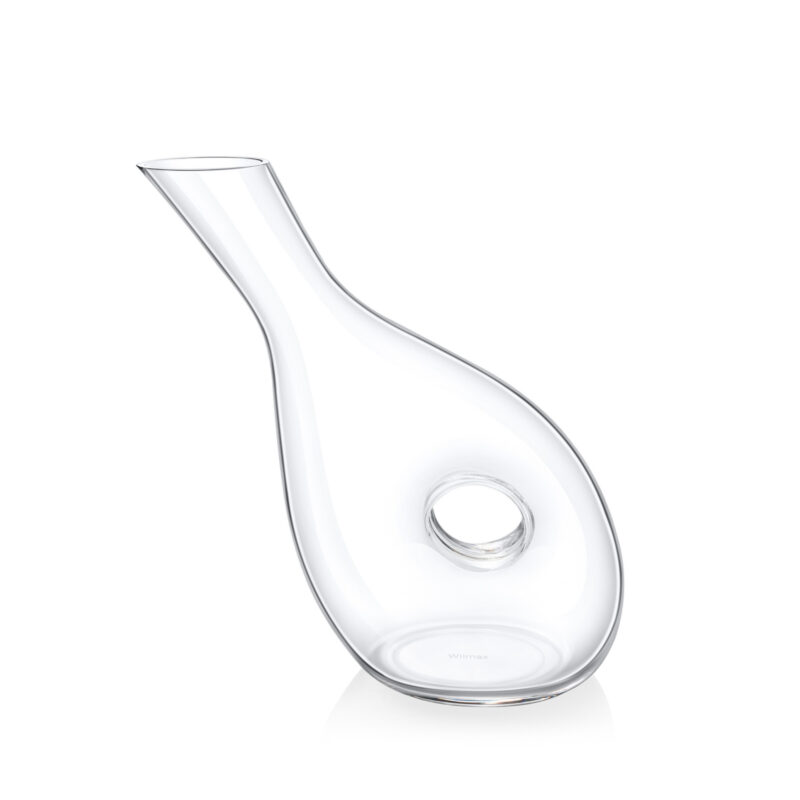

Glass wine carafe 1000 ml WL-888341/1C
A narrow 1000 ml wine carafe — 24.5 cm tall on 7.5 cm of width. The slim column takes little room between the glasses, and the tall body of wine catches candlelight well.
SKU: WL-888341/1C Categories: Crystal Glass, Drinkware, Jugs & Carafes, Materials, Wine, Wine CarafeSafe to use in:
Dishwasher
Microwave
38,99 €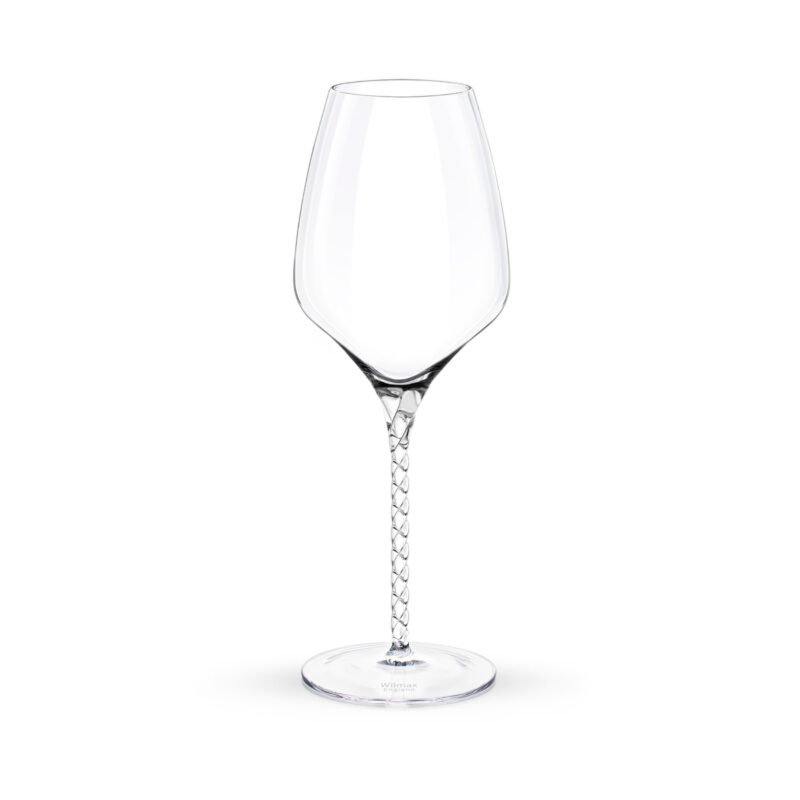

Glass wine carafe 1500 ml WL-888342/1C
A 1500 ml wine carafe with a compact body — 20 cm tall and 12 cm wide, the least space-hungry of the 1.5 litre carafes. It holds two bottles served together.
SKU: WL-888342/1C Categories: Crystal Glass, Drinkware, Jugs & Carafes, Materials, Wine, Wine CarafeSafe to use in:
Dishwasher
Microwave
42,99 €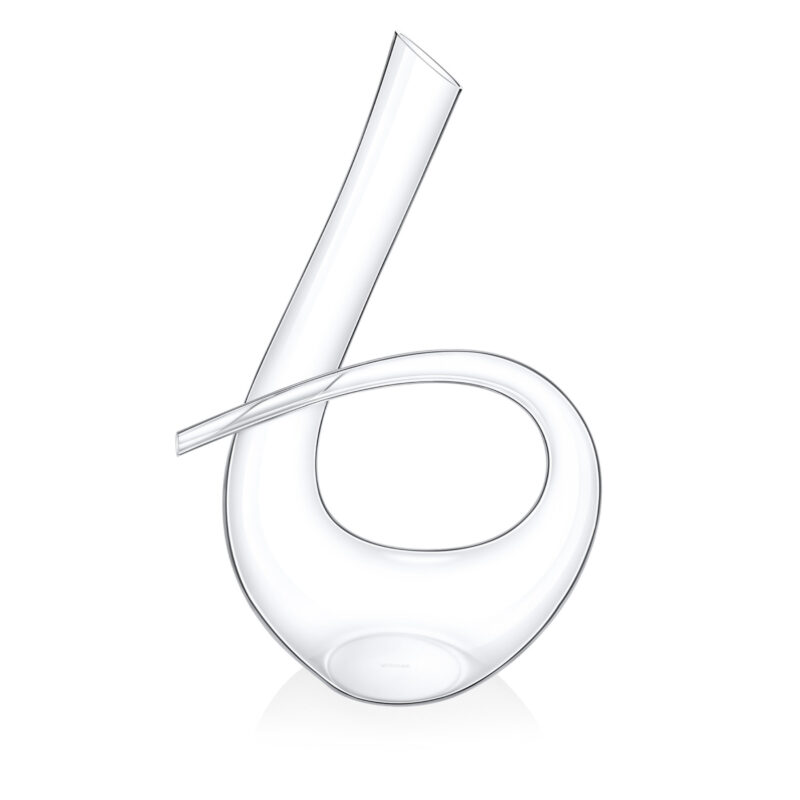

Glass carafe 1000 ml WL-888348/1C
A 1000 ml decanter on a very wide, spread base of 24 cm — the wine lies in a thin layer and aerates faster than in anything else in the series. For mature reds with sediment.
SKU: WL-888348/1C Categories: Crystal Glass, Drinkware, Jugs & Carafes, Materials, Wine, Wine CarafeSafe to use in:
Dishwasher
Microwave
85,99 €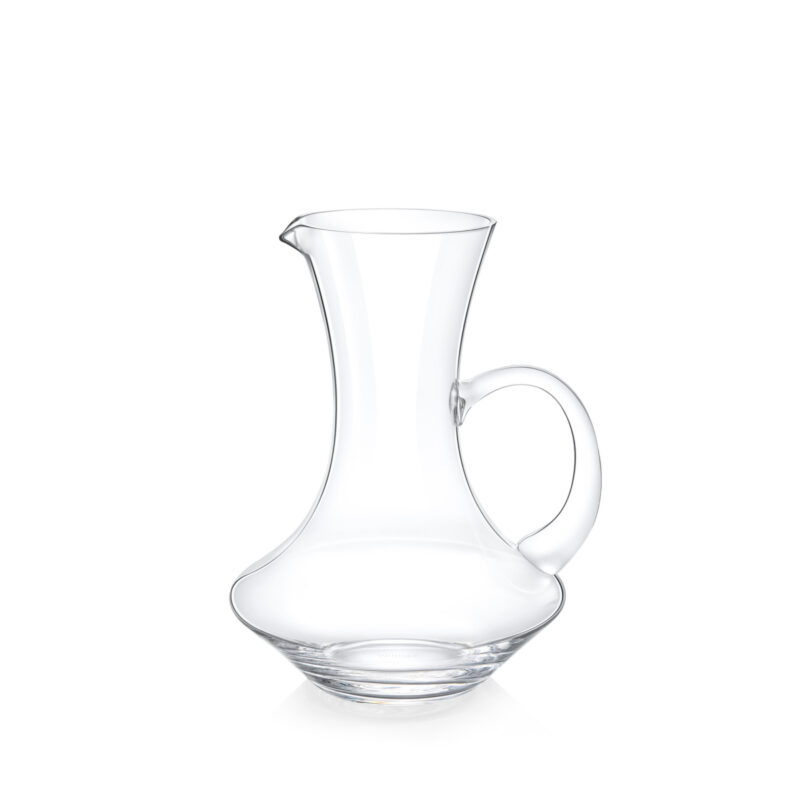
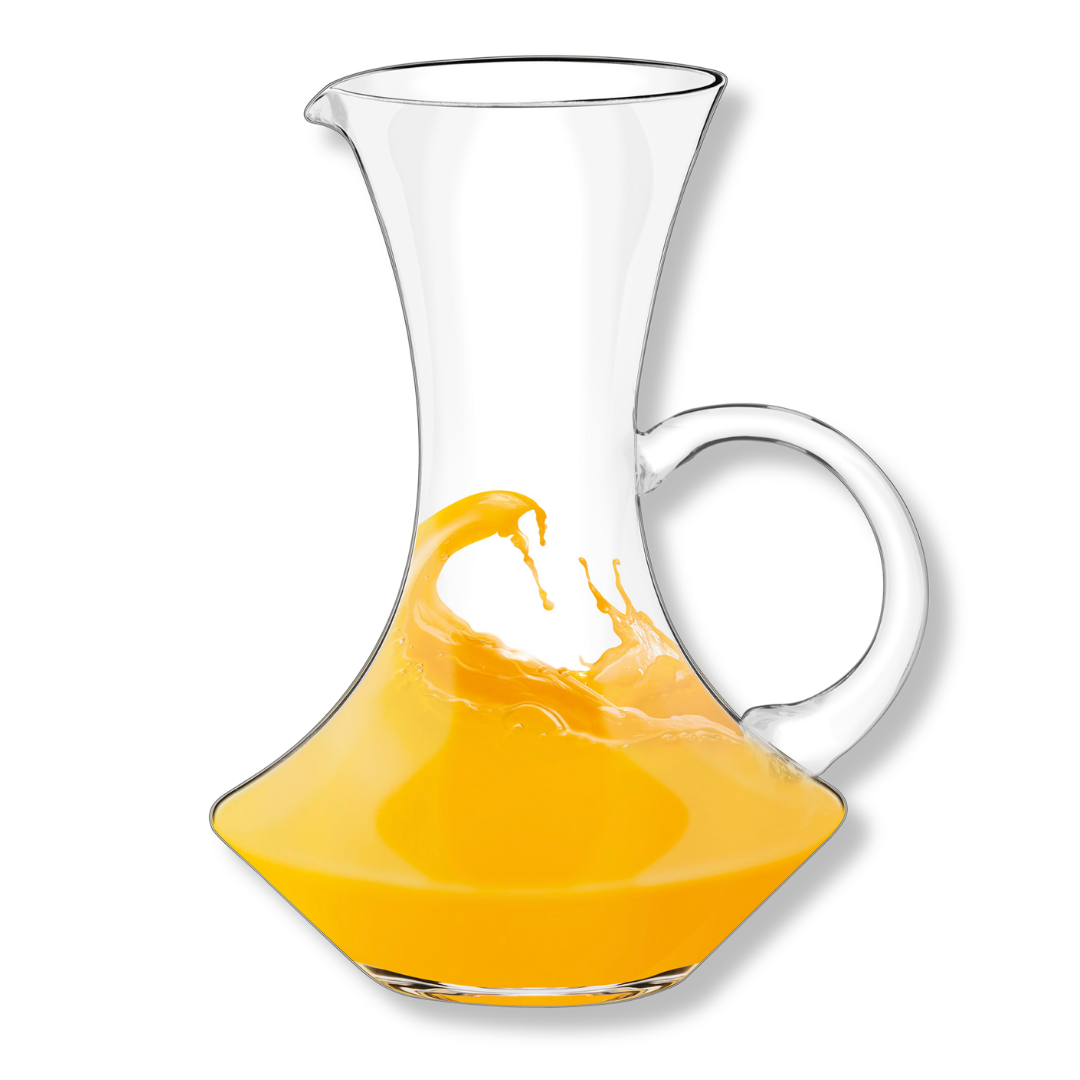
Glass pitcher 1500 ml WL-888358/1C
A slim 1500 ml pitcher — 24.5 cm tall on just 9 cm of width, so it slots onto a narrow fridge shelf and still serves water for the whole table. Crystalline glass.
SKU: WL-888358/1C Categories: Crystal Glass, Drinkware, Jugs & Carafes, Materials, Wine, Wine CarafeSafe to use in:
Dishwasher
Microwave
36,99 €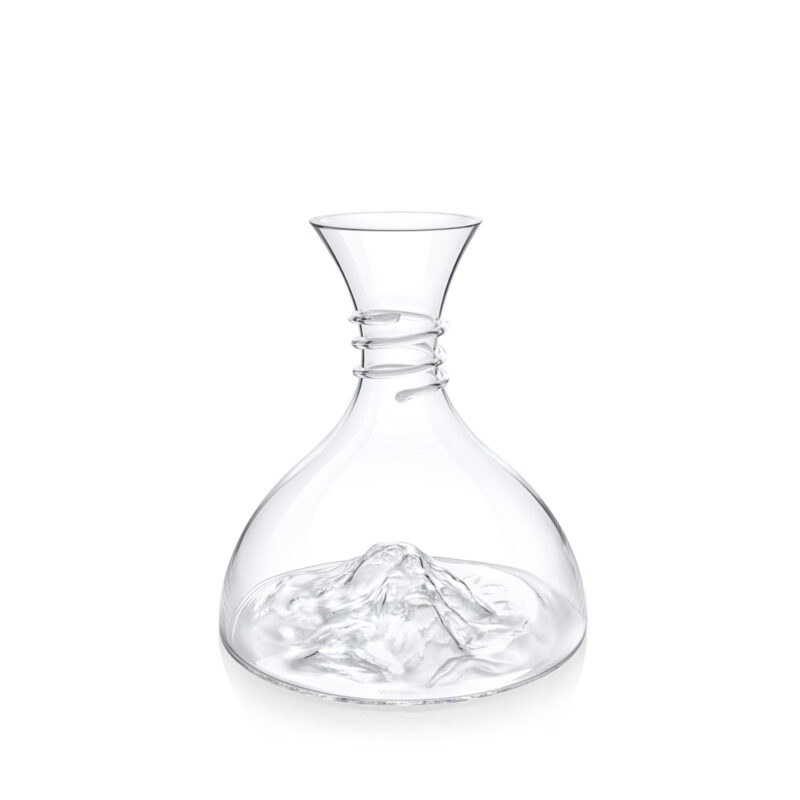

Glass carafe 1500 ml WL-888368/1C
A 1500 ml carafe with a rounded body 21 cm across and 24 cm tall — it takes a full bottle with room left to swirl the wine. Crystalline glass, Crystalline collection, dishwasher safe.
SKU: WL-888368/1C Categories: Crystal Glass, Drinkware, Jugs & Carafes, Materials, Wine, Wine CarafeSafe to use in:
Dishwasher
Microwave
42,99 €- Out of stock
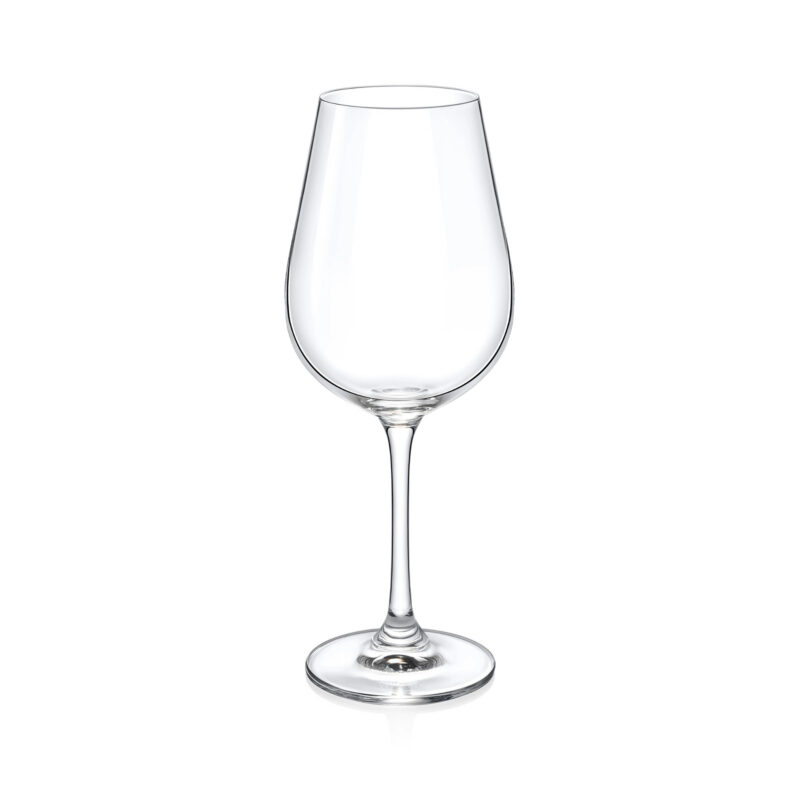

Wine glass 700 ml set of 2 pieces WL-888035/2C
Two 700 ml wine glasses — the largest bowl in this group at the same 25.4 cm height as the 580 and 440 ml versions. More volume means more air above a red. Dishwasher safe.
SKU: WL-888035/2C Categories: Collection, Crystal Glass, Crystal glasses, Drinkware, Glasses, Materials, Wine, Wine GlassSafe to use in:
Dishwasher
18,99 € - Out of stock
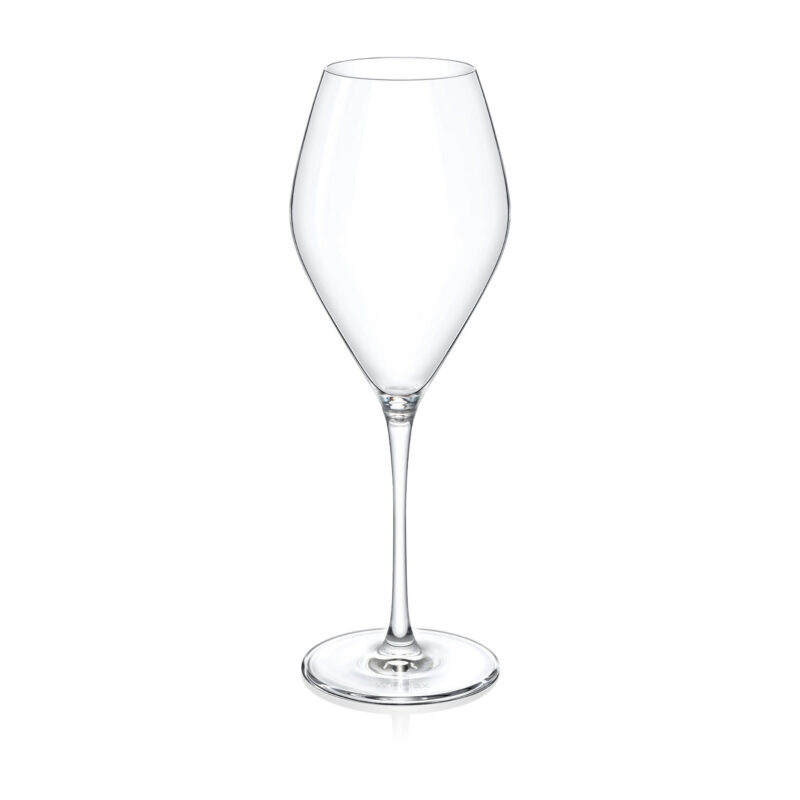
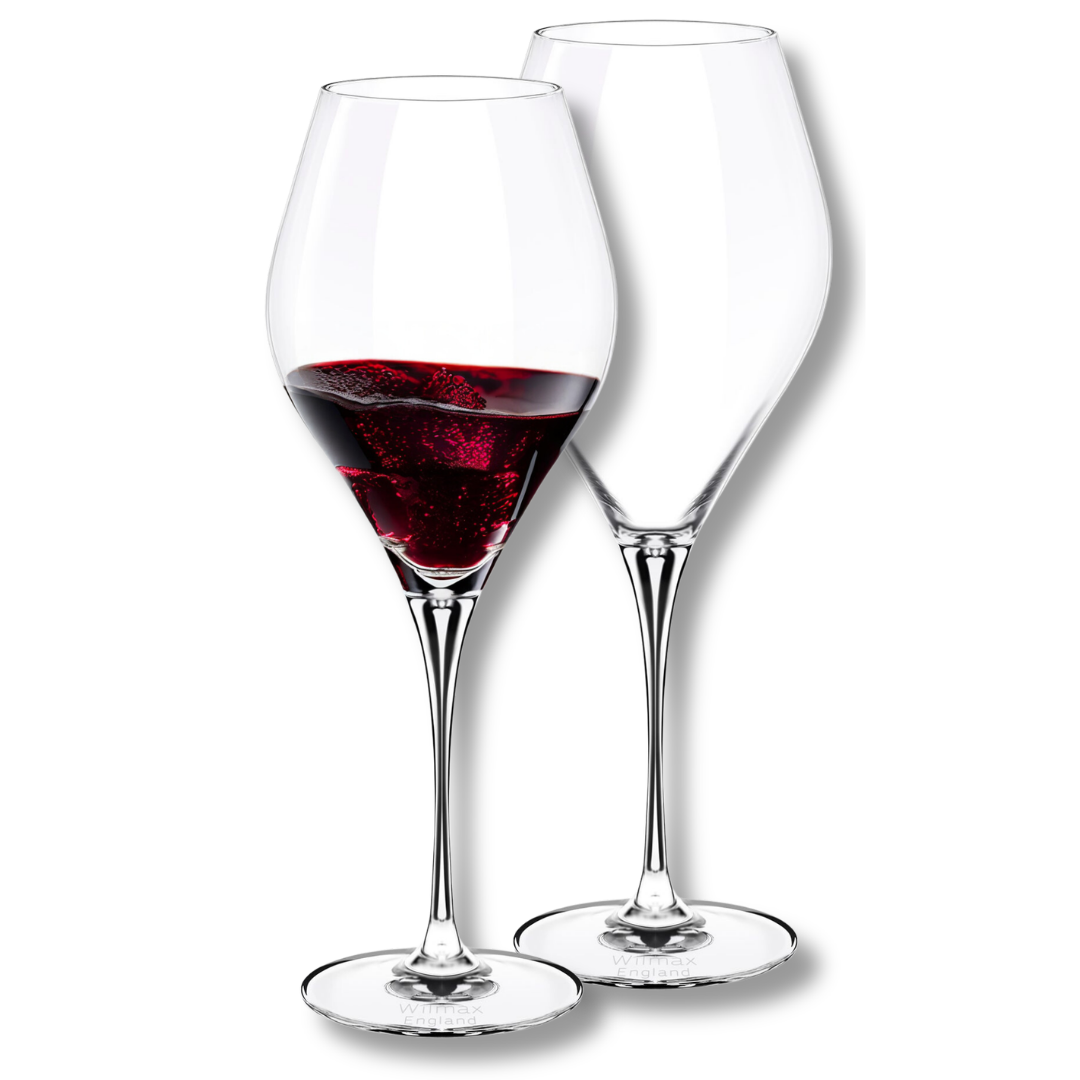
Wine glass 560 ml set of 2 pieces WL-888046/2C
Two 560 ml wine glasses with an 8.3 cm bowl — a universal size, for whites and reds poured in 150 ml servings, with room left above for the aroma. Dishwasher safe.
SKU: WL-888046/2C Categories: Collection, Crystal Glass, Crystal glasses, Diva, Drinkware, Glasses, Materials, Wine, Wine GlassSafe to use in:
Dishwasher
21,99 € - Out of stock
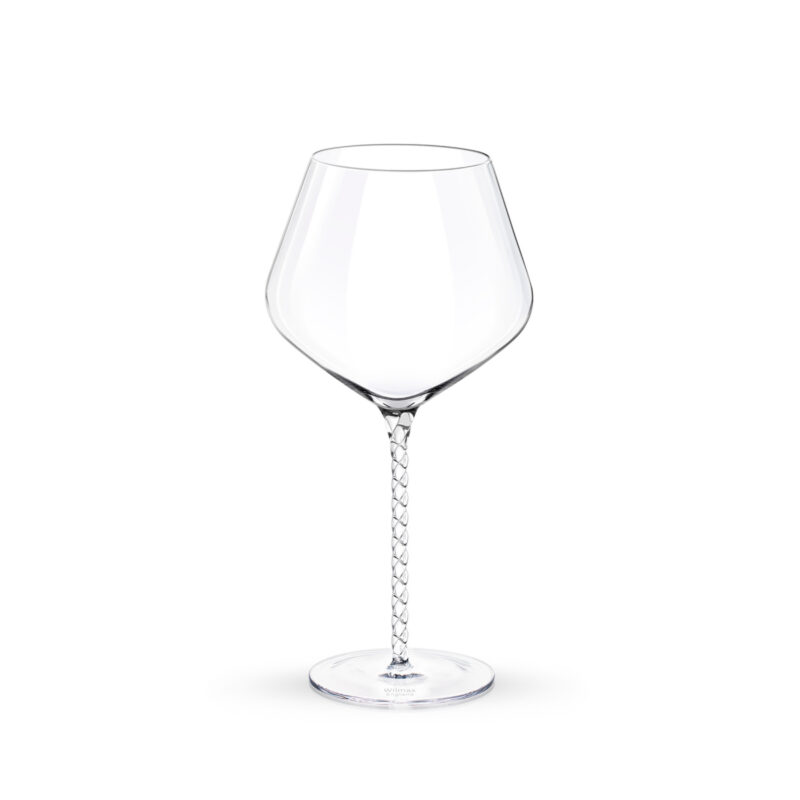
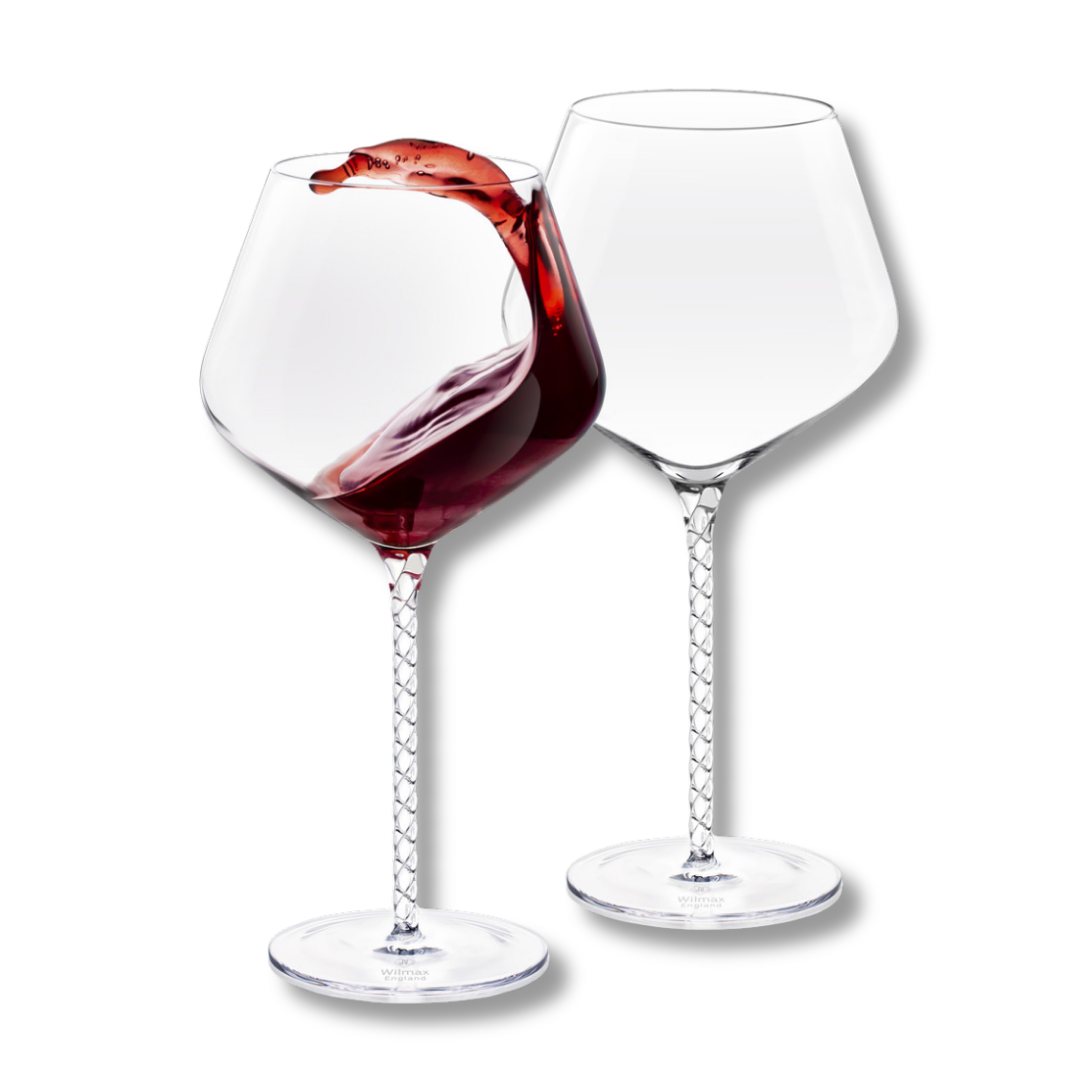
Wine glass 950 ml set of 2 pieces WL-888103/2C
Two 950 ml wine glasses — a huge 9.4 cm bowl on a 26.2 cm frame. That volume lets you swirl a red hard without sending it over the rim. Hand wash.
24,99 € - Out of stock
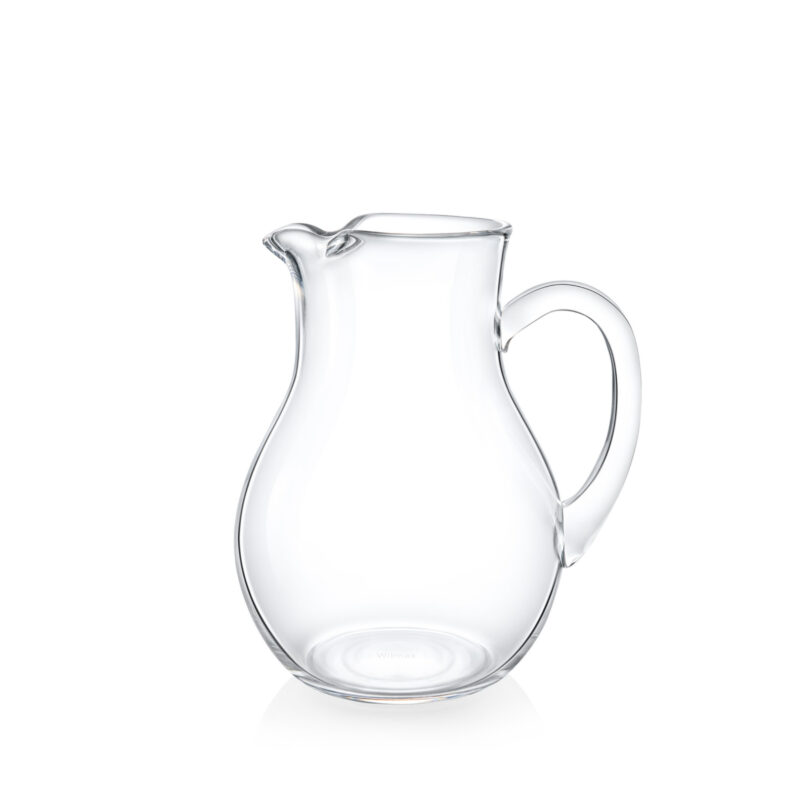

Glass pitcher 2000 ml WL-888350/1C
The largest pitcher in the series — 2000 ml, 23.5 cm tall and 20 cm wide. One fill is lemonade for six without a trip back to the kitchen. Crystalline glass.
SKU: WL-888350/1C Categories: Crystal Glass, Drinkware, Jugs & Carafes, Materials, Wine, Wine CarafeSafe to use in:
Dishwasher
Microwave
42,99 € - Out of stock
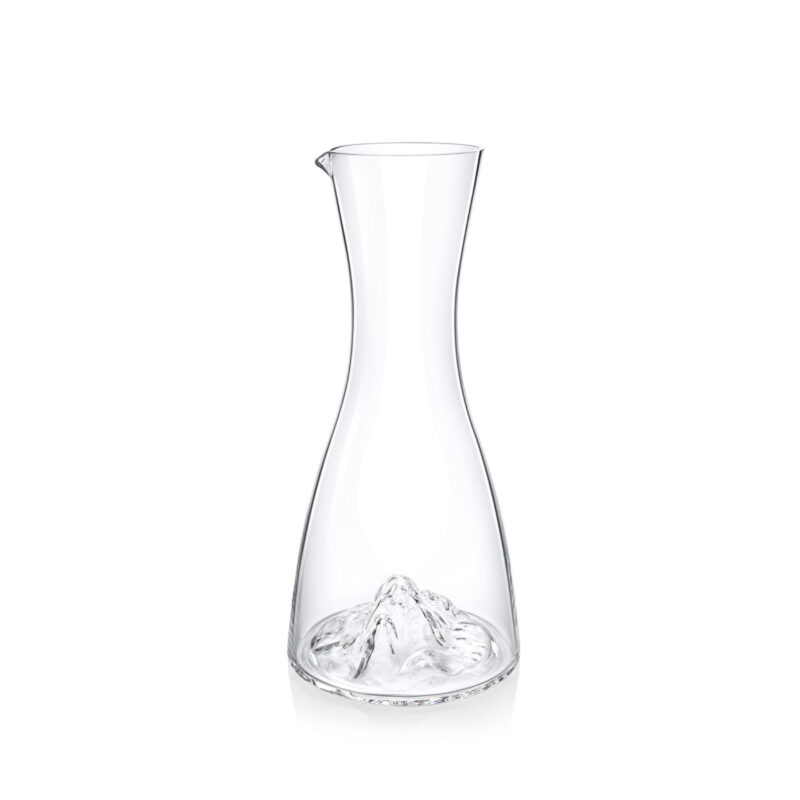

Glass carafe 1000 ml WL-888369/1C
A 1000 ml carafe with a wide, rounded body 18 cm across and 22 cm tall — the large surface of wine speeds up aeration. Crystalline glass from the Crystalline collection.
SKU: WL-888369/1C Categories: Crystal Glass, Drinkware, Jugs & Carafes, Materials, Wine, Wine CarafeSafe to use in:
Dishwasher
Microwave
25,99 €