The 18/10 marking means stainless steel with about 18% chromium and 10% nickel. This steel has a deep shine and is highly resistant to corrosion, which is why higher-end table cutlery is made from it. 18/0 steel contains no nickel: it is cheaper, attracts a magnet and discolours a little more easily. Below we explain what these numbers mean in practice, how to check them and what to look at beyond the marking when you are choosing cutlery to last for years.
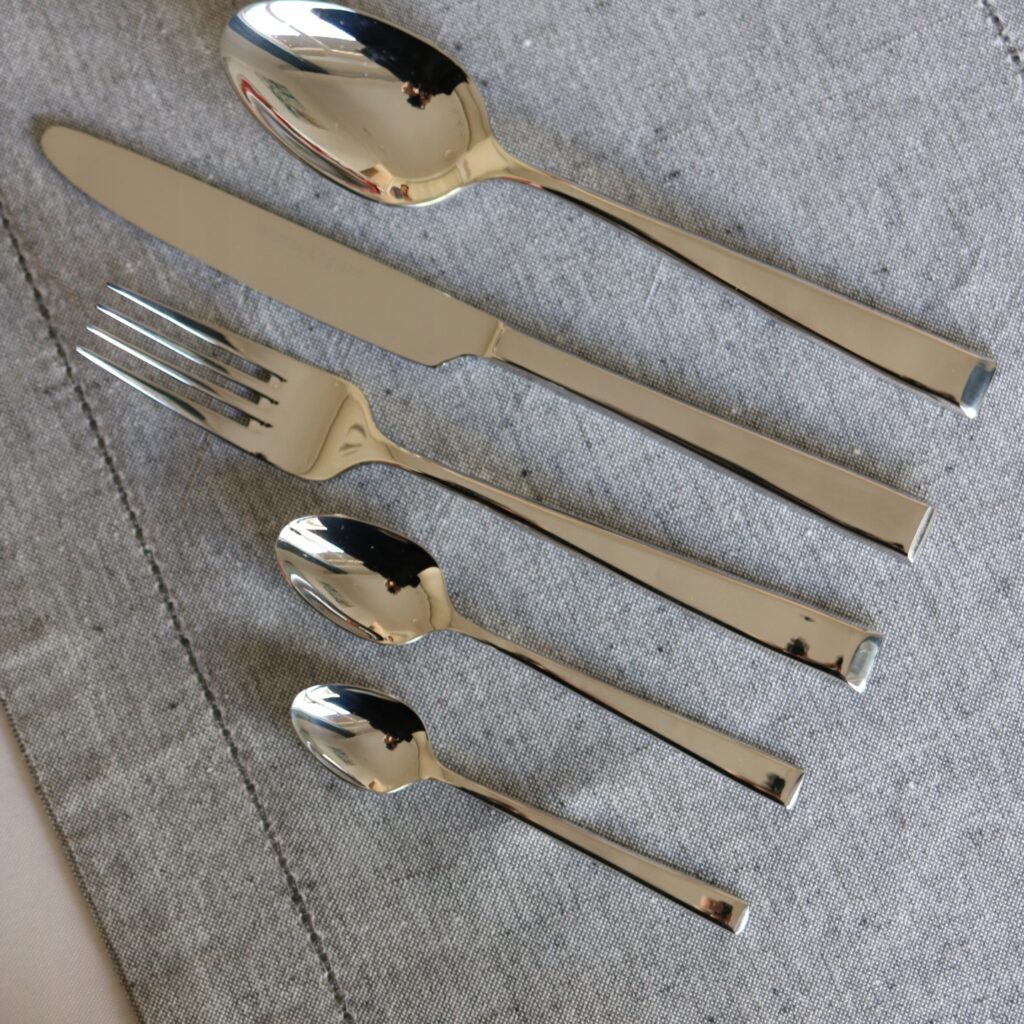
18/10, 18/8, 18/0: what the numbers mean
The first number is the chromium content, the second the nickel content. Chromium forms a thin protective layer on the surface, which stops the steel from rusting. Nickel improves corrosion resistance, gives the steel a brighter, “warmer” shine and makes it easier to polish.
| Marking | Nickel | In practice |
|---|---|---|
| 18/10 | about 10% | the highest shine, the best resistance to stains and corrosion; the standard for good table cutlery |
| 18/8 | about 8% | very close to 18/10, the difference is hard to see with the naked eye |
| 18/0 | none | cheaper, magnetic, less shiny; with poor care discolouration appears sooner |
All of these steels are stainless and safe for contact with food. The difference is how long they keep their looks: 18/10 cutlery still shines after years of washing, while cheaper cutlery more often goes dull and spotty.
How to check what steel your cutlery is made of
- Description or stamp. The most reliable source is the product page or the marking stamped on the handle. In our shop 18/10 steel is stated in the descriptions of the Diamond cutlery and of the Stella fish knife and fork. If the product page does not say so, do not assume it.
- Magnet test. 18/0 steel clearly attracts a magnet, 18/10 usually not at all or only very weakly. It is a simple test in a shop, but it does not replace the marking.
- Knives are the exception. The blades of table knives are often made of a different, harder stainless steel so that they can be sharpened and hold an edge. So a knife from a set may react to a magnet differently from a fork, and that is normal.
Not just the steel: weight, balance and length
The steel grade is one thing, but you feel comfort in your hand. Before you buy a whole set, check three things:
- Weight and thickness. A heavier, thicker piece does not bend when you cut and sits better in the hand. Cutlery that is too light bends easily and is unpleasant to eat with.
- Balance. A well-balanced fork does not tip towards the tines in your hand. The weight should be spread along the whole length.
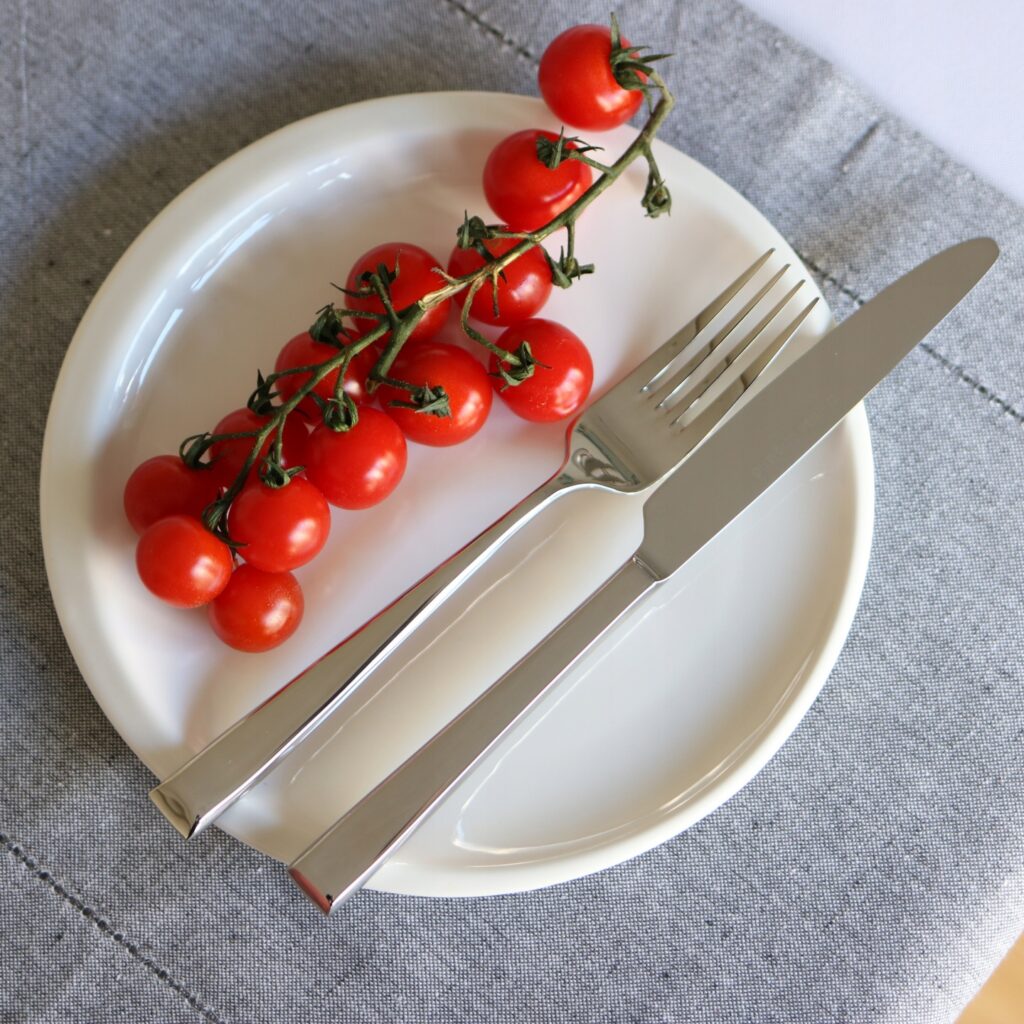
- Length. Dinner cutlery from different lines can differ by a few centimetres, and a longer knife looks better next to a large plate. We give the length of every model in its name. For example, the 24 cm dinner knife from the Podium line is longer than the classic 22 cm Diamond knife.
How to put together cutlery for 6 people
A basic setting is four pieces per person: knife, fork, spoon and teaspoon. The easiest way is to buy them in sets of six from one line, so the shape and finish are identical. In the Diamond line, whose descriptions state 18/10 steel, you have:
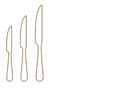
- 22 cm dinner knife, 6 pcs,
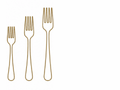
- 20 cm dinner fork, 6 pcs,
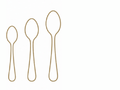
- 21 cm dinner spoon, 6 pcs,
- 14 cm dessert spoon, 6 pcs.
The second step is cutlery “for occasions”. For coffee you will want an 11.5 cm coffee spoon, for cake a 16 cm dessert fork, and for cream soups and desserts in glasses a 19 cm dessert spoon. If you often serve meat, add steak knives: a set of 6 from the Stella line or single pieces from Diamond. For fish, the Stella fish knife and fish fork; their descriptions also state 18/10 steel.
We do not have a complete set in one box, but you can buy every piece separately when something goes missing or an extra guest comes. All models and lines are in the cutlery category, with separate pages for knives and forks.
Everyday and festive cutlery: one set or two?
One good set of 18/10 steel is enough for everyday use and for the holidays: good steel does not lose its looks from frequent washing. A second set makes sense if you want a different style for special occasions or need more settings for large gatherings. In that case it is worth choosing a line sold as single pieces, for example the Triumph dinner spoon with a fluted handle, so that you can easily replace missing pieces.
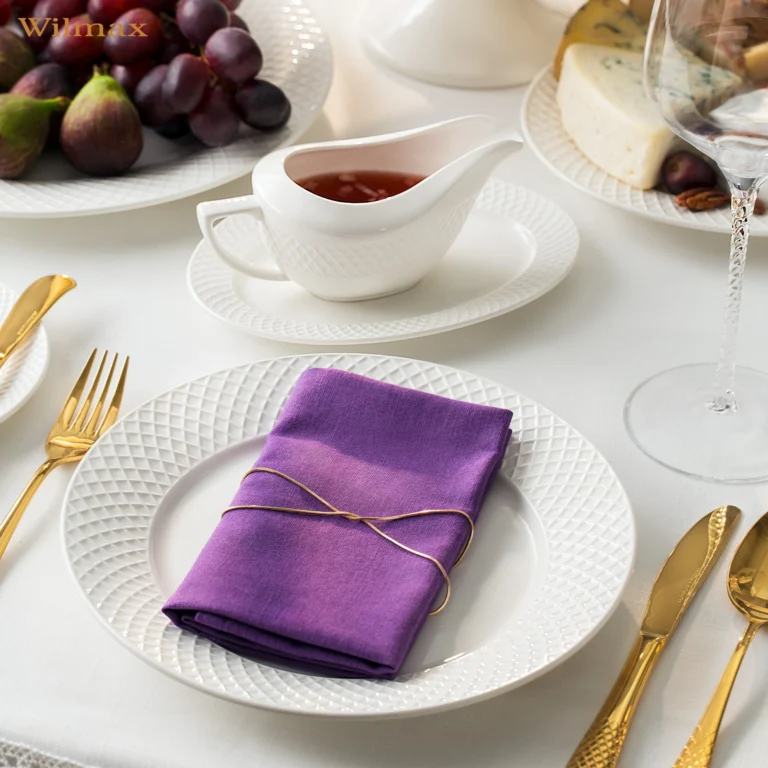
A touch of gold? A gold butter knife stands out among silver cutlery at breakfast. Just remember that gold-coloured cutlery is washed by hand.
Washing and storage
- Silver stainless steel can go in the dishwasher. Take the cutlery out right after the programme and dry it, then no water marks are left.
- Gold-coloured or other coloured cutlery - by hand only, with a soft sponge; in the dishwasher the colour wears off.
- Do not leave cutlery for long with leftovers of salty or acidic food: even 18/10 steel can then get spots.
- Do not wash it in the same basket as silver-plated cutlery.
- Store knives so that the blades do not knock against other cutlery: in a separate compartment or a drawer insert.
Metal cutlery never goes in the microwave.
Frequently asked questions
Is 18/0 cutlery worse than 18/10?
It is cheaper and less resistant to discolouration, but still stainless and safe. If you want it to keep its shine for years, choose 18/10.
Does 18/10 steel rust?
Not in normal use. Spots can appear if cutlery is left damp with food on it for a long time, and they usually come off when washed.
Is stainless steel cutlery dishwasher safe?
Silver cutlery is. Gold and coloured cutlery should be washed by hand only.
How to check the steel without a marking?
Use a magnet: 18/0 attracts it, 18/10 usually does not. Only the manufacturer’s marking gives you certainty.
How much cutlery to buy for 6 people?
At least 6 knives, forks, spoons and teaspoons. Add coffee spoons and dessert forks, and special cutlery if you serve fish or steak.
Cutlery from this guide
-
Sale!
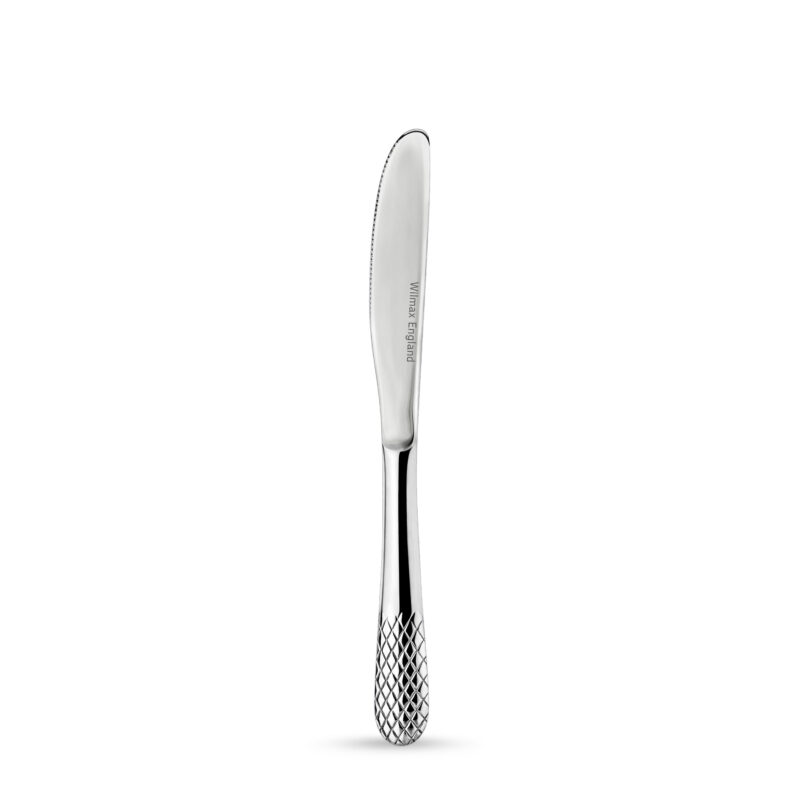
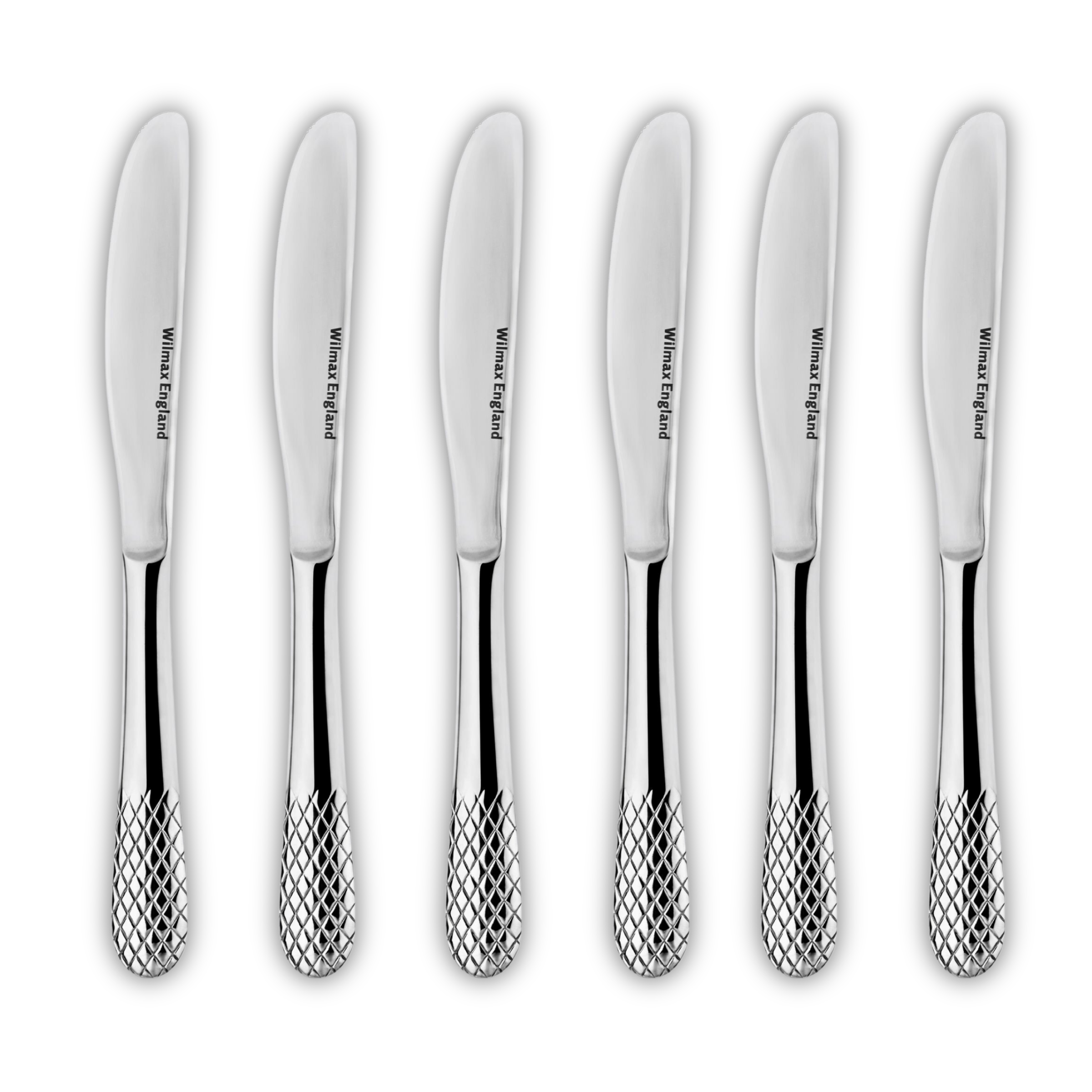
Dinner knife 22 cm set of 6 pieces WL-999200/6C
Six 22 cm dinner knives - a set to go with the forks and spoons from the same collection. The standard length for main courses, meat and vegetables. Stainless steel, Diamond collection, dishwasher safe.
Original price was: 38,99 €.26,99 €Current price is: 26,99 €. -
Sale!

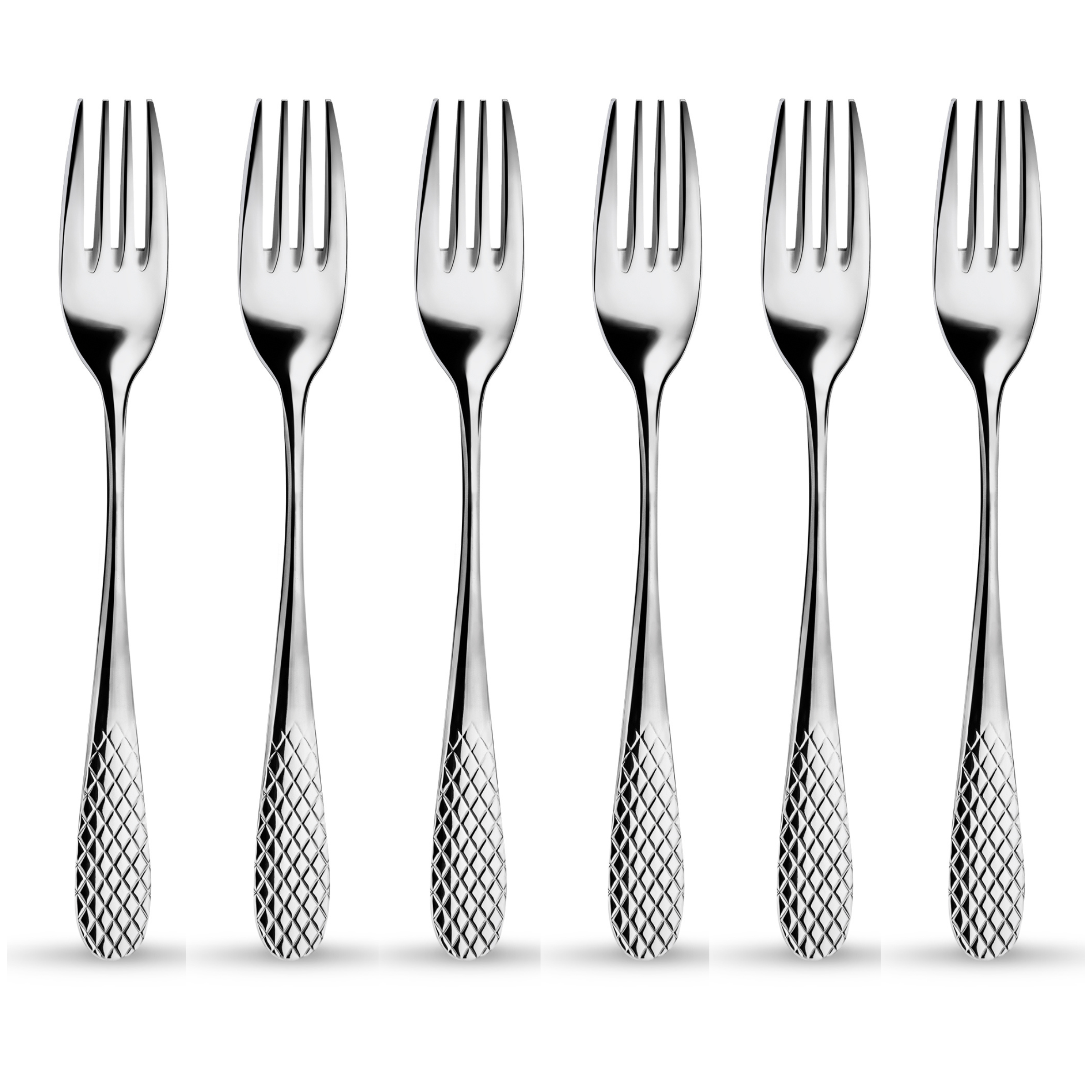
Dinner fork table 20 cm set of 6 pieces WL-999201/6C
Six 20 cm dinner forks in a set - the base of a setting for six. Four shaped tines, a balanced handle. Stainless steel, Diamond collection, dishwasher safe.
Original price was: 33,99 €.23,99 €Current price is: 23,99 €. -
Sale!

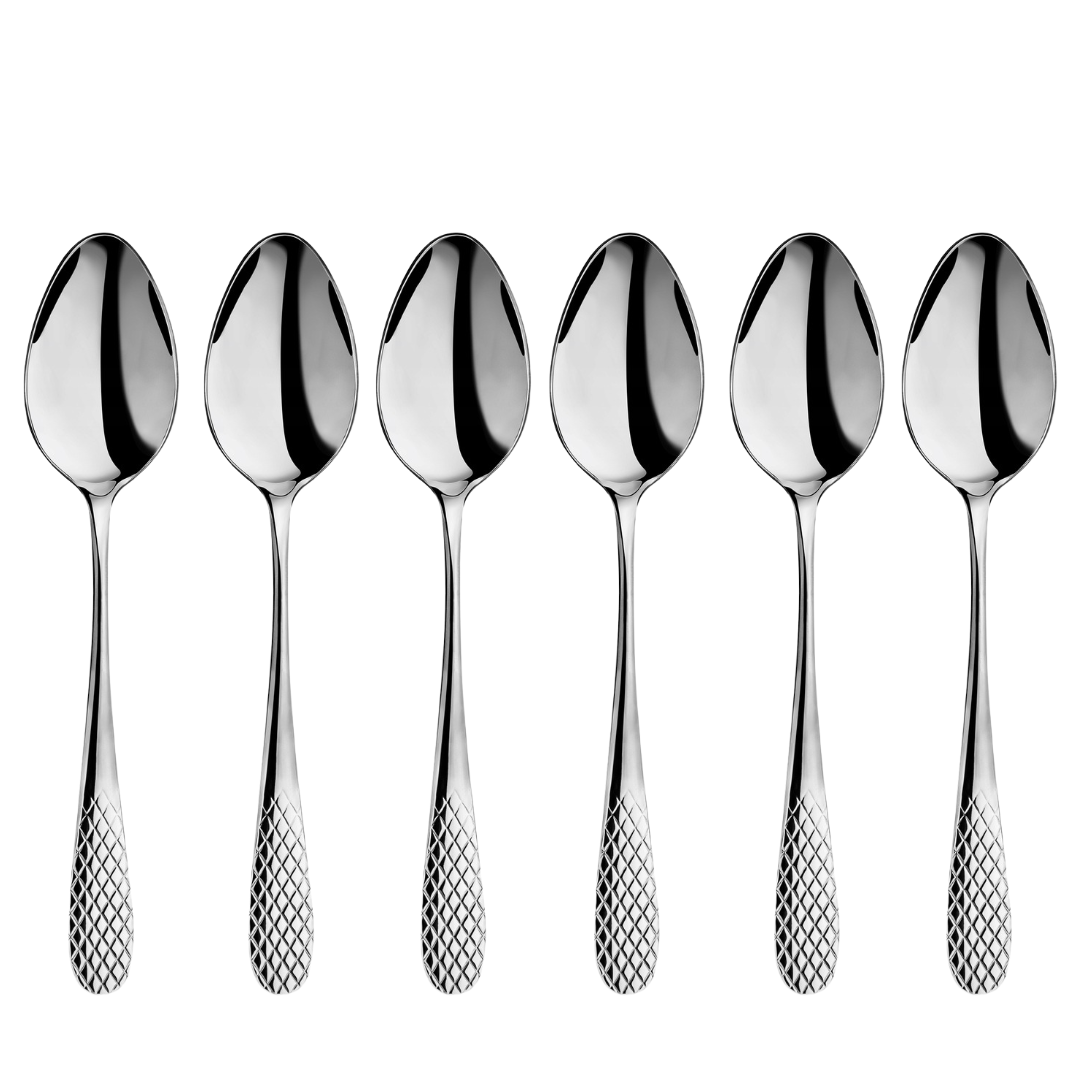
Dinner spoon 21 cm set of 6 pieces WL-999202/6C
Six 21 cm dinner spoons - a set for the whole table. A deep bowl for soups and creams, a balanced handle. The same model sold individually. Stainless steel, Diamond collection.
Original price was: 33,99 €.23,99 €Current price is: 23,99 €. -
Sale!


Dessert spoon 14 cm set of 6 pieces WL-999203/6C
Six 14 cm dessert spoons. Longer than coffee spoons, so they reach the bottom of taller cups and sundae glasses - good for both tea and desserts. A set for six. Stainless steel, Diamond collection.
Original price was: 21,99 €.15,99 €Current price is: 15,99 €. -
Sale!


Coffee spoon 11.5 cm set of 6 pieces WL-999204/6C
Six 11.5 cm coffee spoons in a set - the same model sold individually, in a pack for the whole table. Sized for espresso and moka cups. Stainless steel, Diamond collection, dishwasher safe.
Original price was: 18,99 €.12,99 €Current price is: 12,99 €. -
Sale!
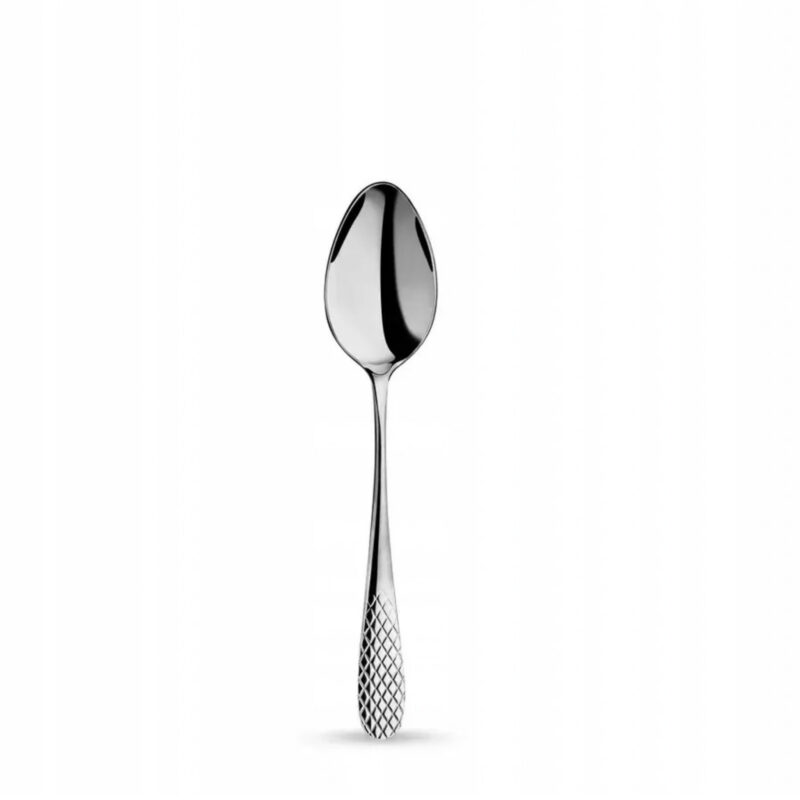

Dessert spoon 19 cm set 6 pieces WL-999207/6C
Six 19 cm dessert spoons in a set - a size between a teaspoon and a table spoon, for desserts, fruit and light dishes. A set for six, so it covers a dinner party. Stainless steel, Diamond collection.
Original price was: 32,99 €.22,99 €Current price is: 22,99 €. -
Sale!
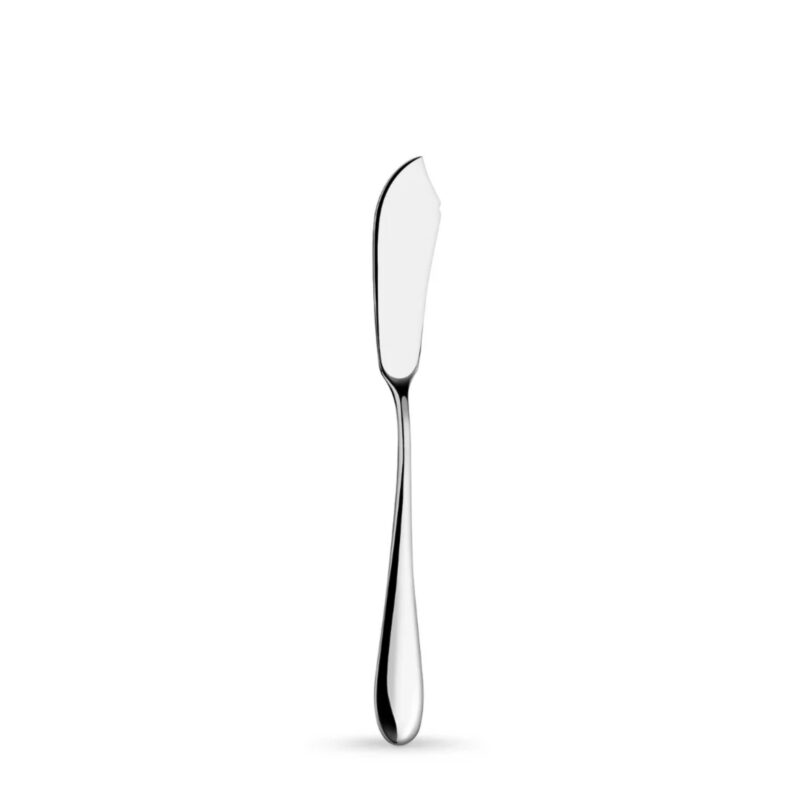

Fish knife 20.5 cm set of 2 pieces WL-999109/2B
Two 20.5 cm fish knives - a wide, blunt, spatula-shaped blade. It does not cut but separates the flesh along the bones and lifts the fillet, so the fish does not fall apart on the plate. Stainless steel, Stella collection.
Original price was: 8,99 €.6,99 €Current price is: 6,99 €. -
Sale!


Steak knife 23.5 cm set 6 pieces WL-999115/6C
Six 23.5 cm steak knives - a set for a full dinner party. Longer and sharper than dinner knives, they cut meat cleanly without tearing the fibres. Stainless steel, Stella collection, dishwasher safe.
Original price was: 30,99 €.24,99 €Current price is: 24,99 €.